5 Ways an Electric Utility Wagon Simplifies Landscaping
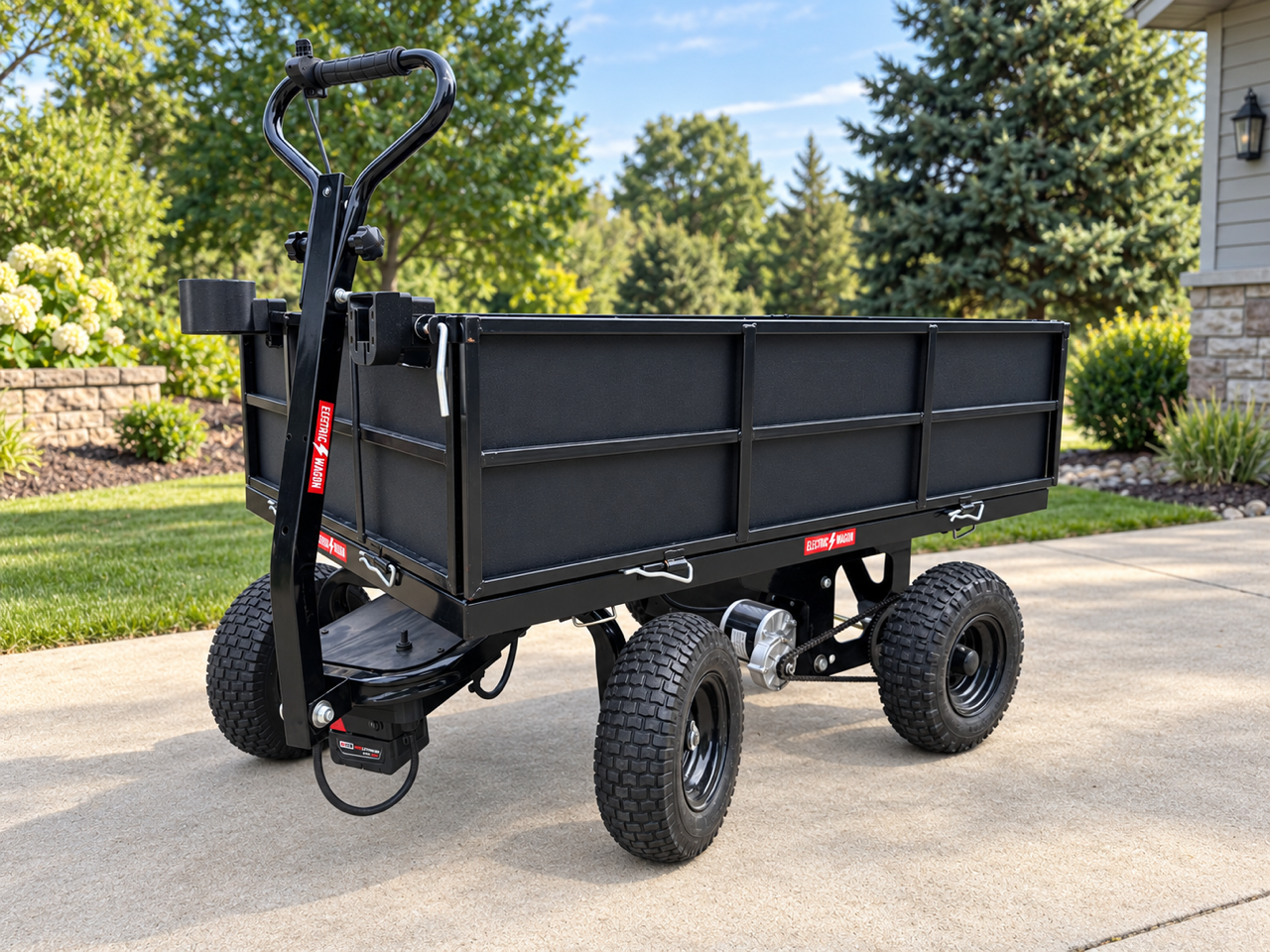
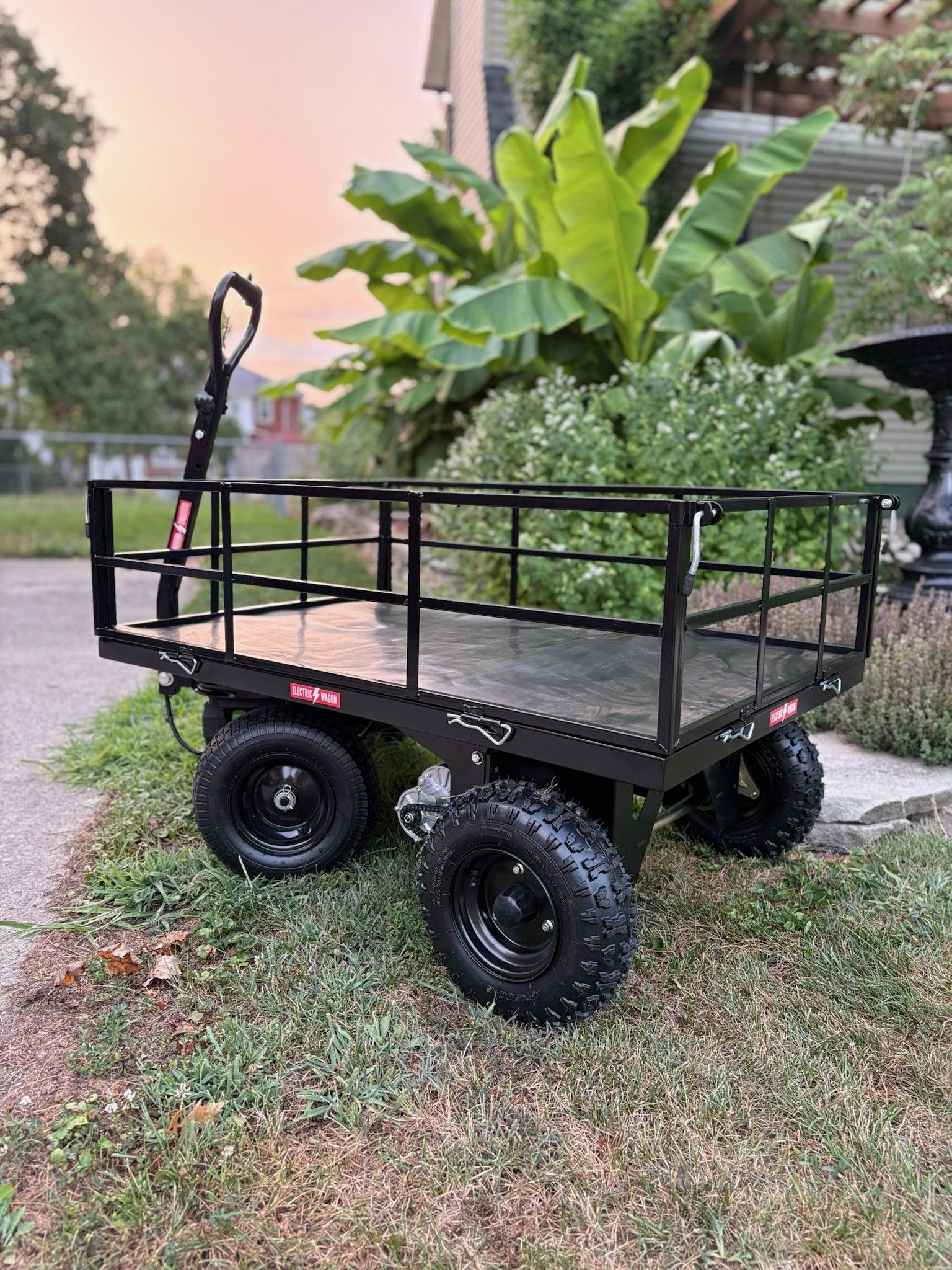
An electric utility wagon is a battery-powered hauling machine designed to move heavy landscaping materials like mulch, stone, and tools across rugged terrain with zero manual effort. It replaces gas-powered equipment with a quiet, eco-friendly solution, offering high torque and easy maneuverability for rural homeowners managing large properties and gardens.
Why is an electric utility wagon better than a wheelbarrow?
For generations, the traditional single-wheel wheelbarrow has been the backbone of property maintenance, but it comes at a significant physical cost. If you have ever spent a Saturday afternoon moving three cubic yards of mulch from a driveway to a backyard garden, you know exactly what that cost feels like in your lower back, shoulders, and wrists. The physical strain of balancing a heavy load on a single pivot point is inherently unstable and exhausting. This is precisely where an electric utility wagon changes the game entirely. By utilizing a multi-wheel design and a powerful electric motor, the burden of weight is transferred from your muscles to the machine's frame and battery.
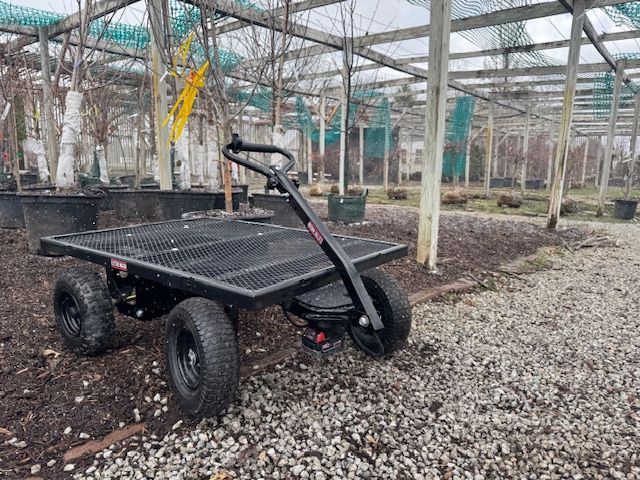
Unlike a wheelbarrow, which requires you to provide both the balance and the propulsion, an electric wagon remains stable on four wheels. You aren't fighting to keep the load from tipping over every time you hit a root or a dip in the lawn. The electric motor provides the forward momentum, allowing you to guide the wagon with one hand while the machine does the heavy lifting. This makes the work accessible to people of all ages and fitness levels. Whether you are a dedicated gardener looking to extend your active years on the homestead or a busy rural homeowner who wants to finish chores faster and get back to relaxing, the efficiency of an electric motor is unmatched. It’s not just about doing the work; it’s about doing the work without the inevitable soreness the next morning.
Five Ways to Transform Your Property with Ease
When you own a large rural property, the list of landscaping tasks is never-ending. An electric utility wagon becomes your primary assistant, turning daunting multi-day projects into quick afternoon tasks. Here are the most common ways our customers use their wagons to keep their properties looking pristine:
- Moving bulk mulch or compost to garden beds without breaking a sweat.
- Transporting heavy decorative stones or patio pavers for hardscaping projects.
- Hauling large flats of seasonal flowers and heavy bags of potting soil.
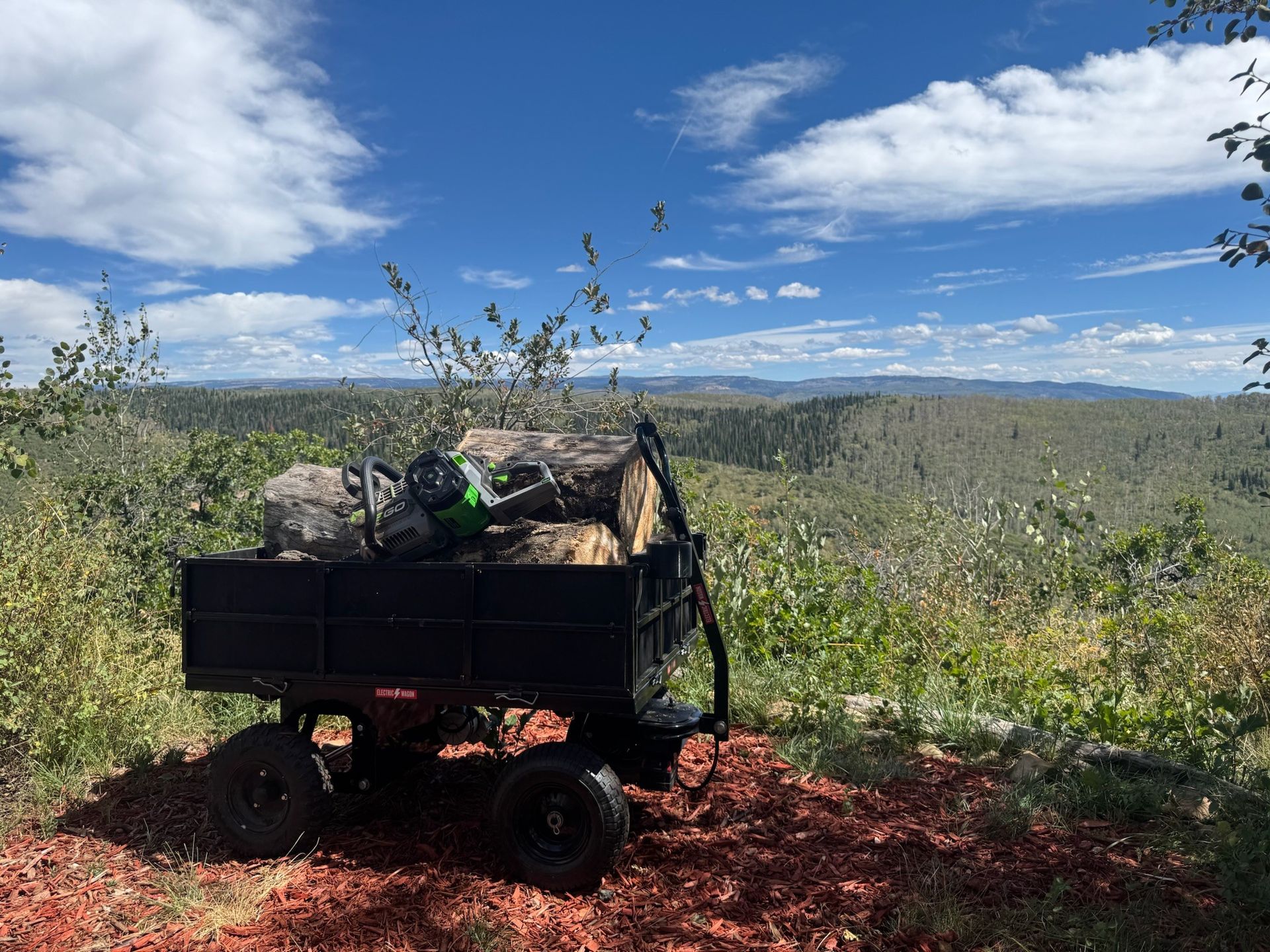
- Relocating fallen branches and brush piles after a storm for easy disposal.
- Carrying full sets of power tools, fuel cans, and chainsaws across acres of land.
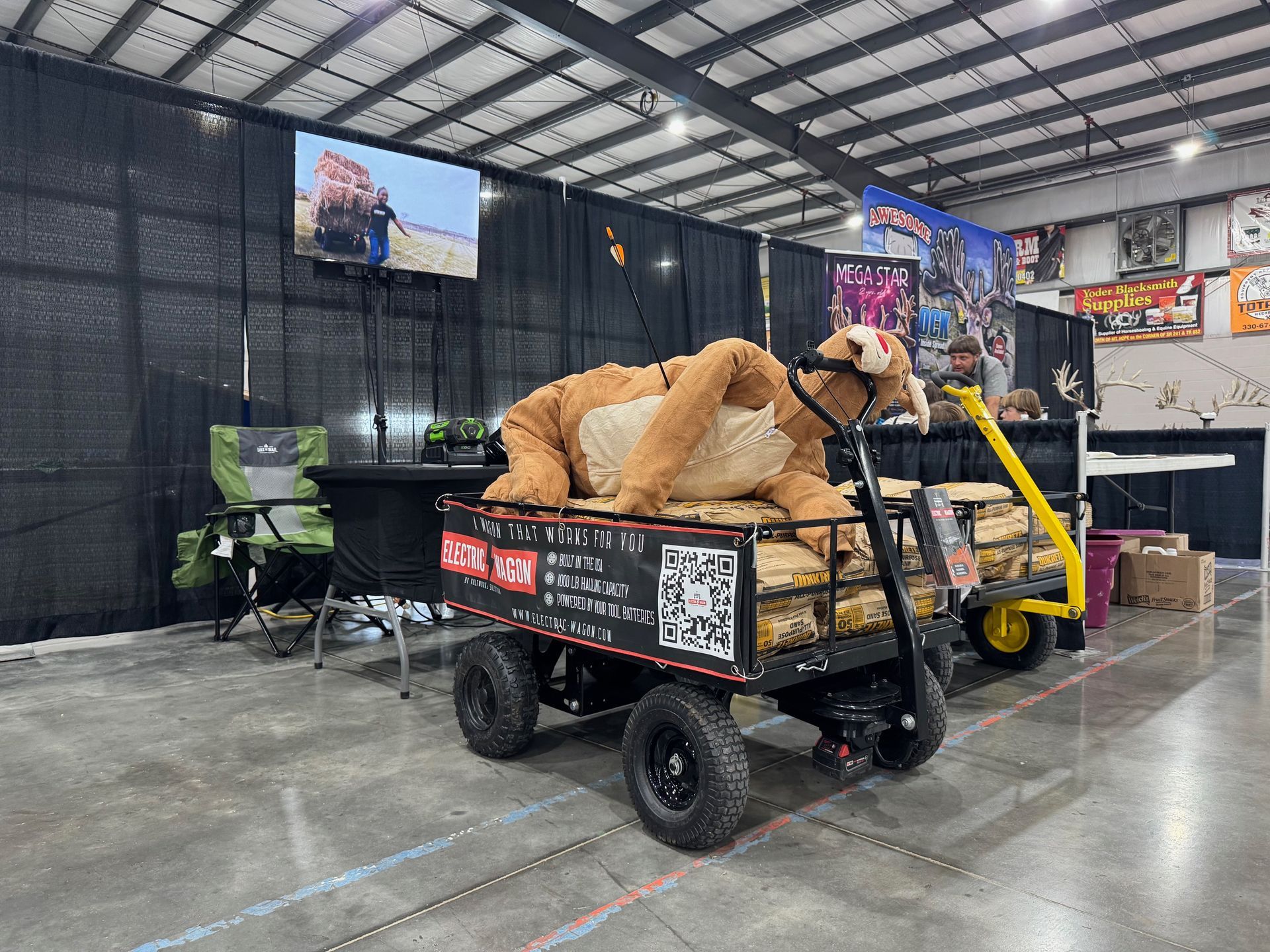
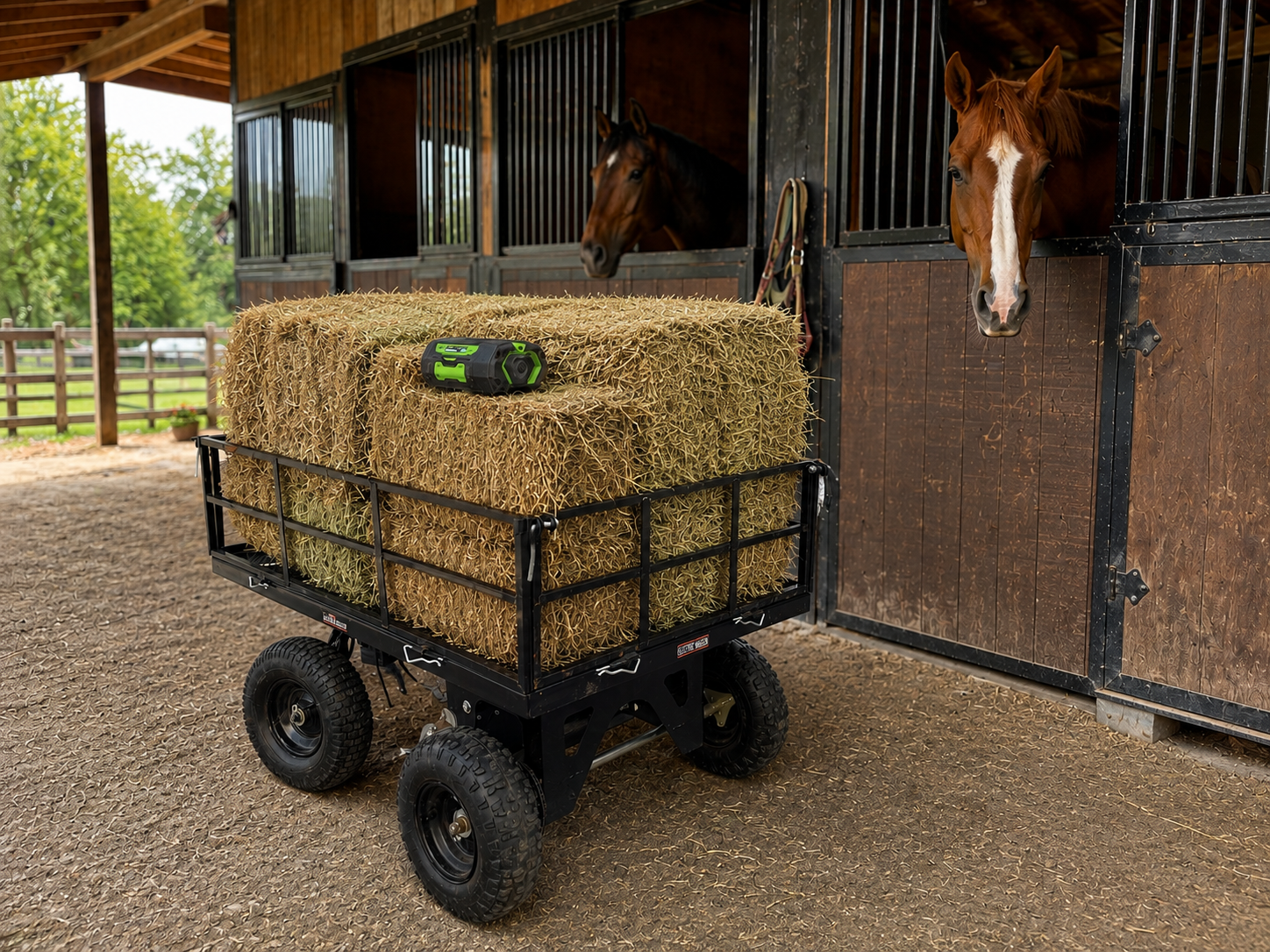
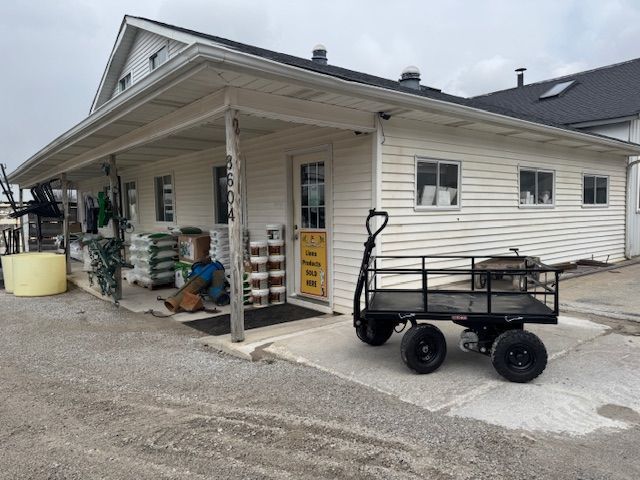
These tasks often require multiple trips back and forth from the barn or the driveway. With the high capacity of an electric wagon, you can move significantly more material in a single trip than you ever could with manual equipment. This saves hours of time over the course of a weekend. Furthermore, because the motor is silent, you can start your landscaping projects at the crack of dawn without waking up the neighbors or disturbing the local wildlife. The versatility of these machines extends into every corner of your property management routine, from the vegetable garden to the perimeter fence line.
Can an electric wagon handle heavy loads on hills?
One of the biggest concerns for rural homeowners is terrain. Not every property is a perfectly flat, manicured lawn. In fact, most homesteads and farms have their fair share of slopes, muddy patches, and uneven ground. You might wonder if a battery-powered motor has the torque necessary to climb a steep grade while fully loaded with 500 pounds of river rock. The answer is a resounding yes. Our wagons are engineered specifically for high-torque performance at low speeds, which is exactly what you need for climbing. The wagon specs highlight heavy-duty gear ratios that ensure steady progress even when the path gets vertical.
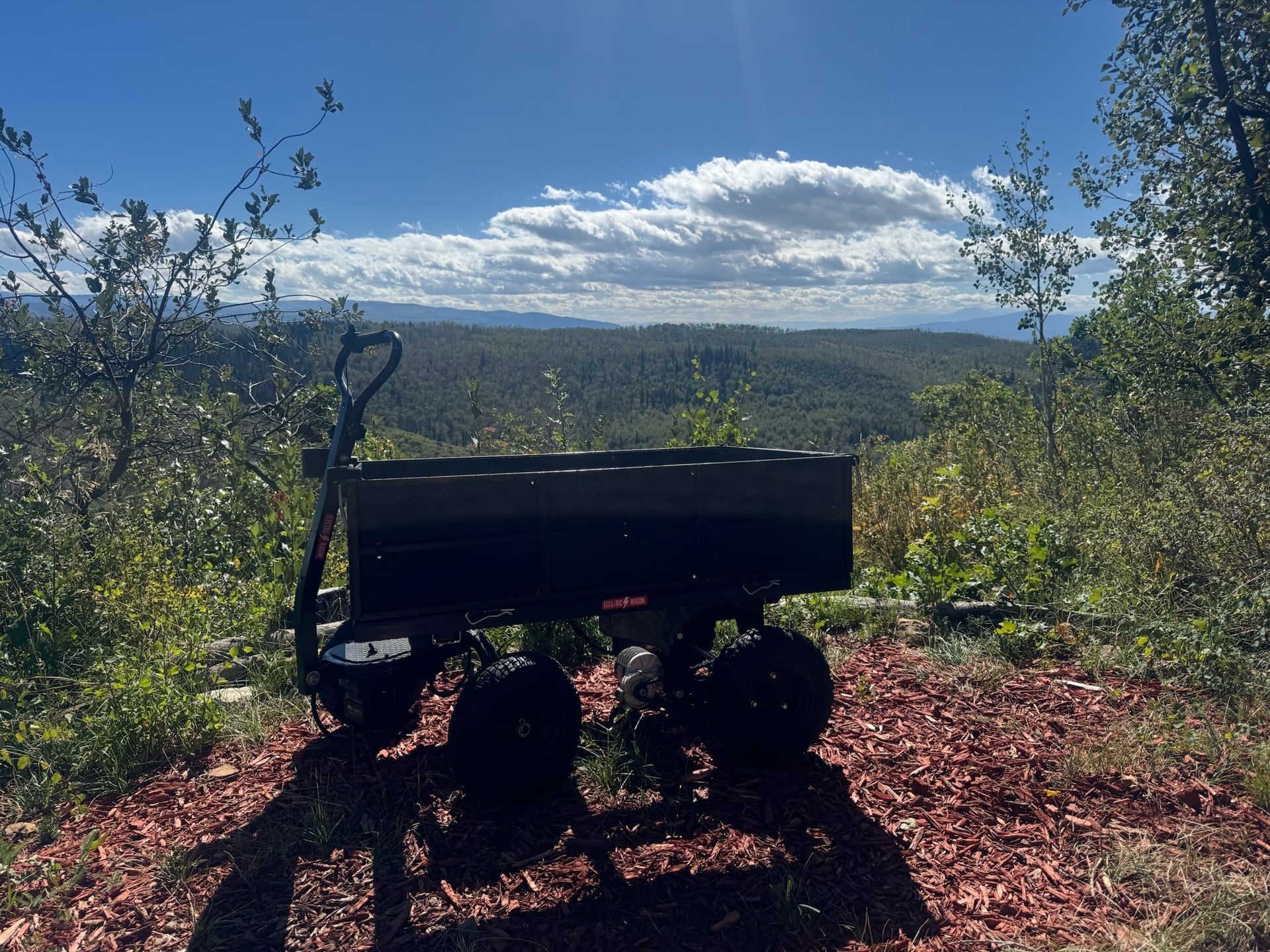
In addition to climbing power, safety on hills is a top priority. Moving a heavy manual cart down a hill is often more dangerous than moving it up, as the weight can easily get away from you. Electric wagons typically feature regenerative braking or motor braking systems that provide controlled descents. This means the motor helps hold the load back, preventing the wagon from rolling too fast and pulling you along with it. This level of control is something a traditional cart simply cannot offer. Whether you are navigating a wooded trail to clear out invasive species or hauling fence posts up to a high pasture, the stability and power of an electric drivetrain provide peace of mind that the job will be done safely and efficiently, regardless of the elevation changes on your land.
Key Advantages of Battery-Powered Hauling
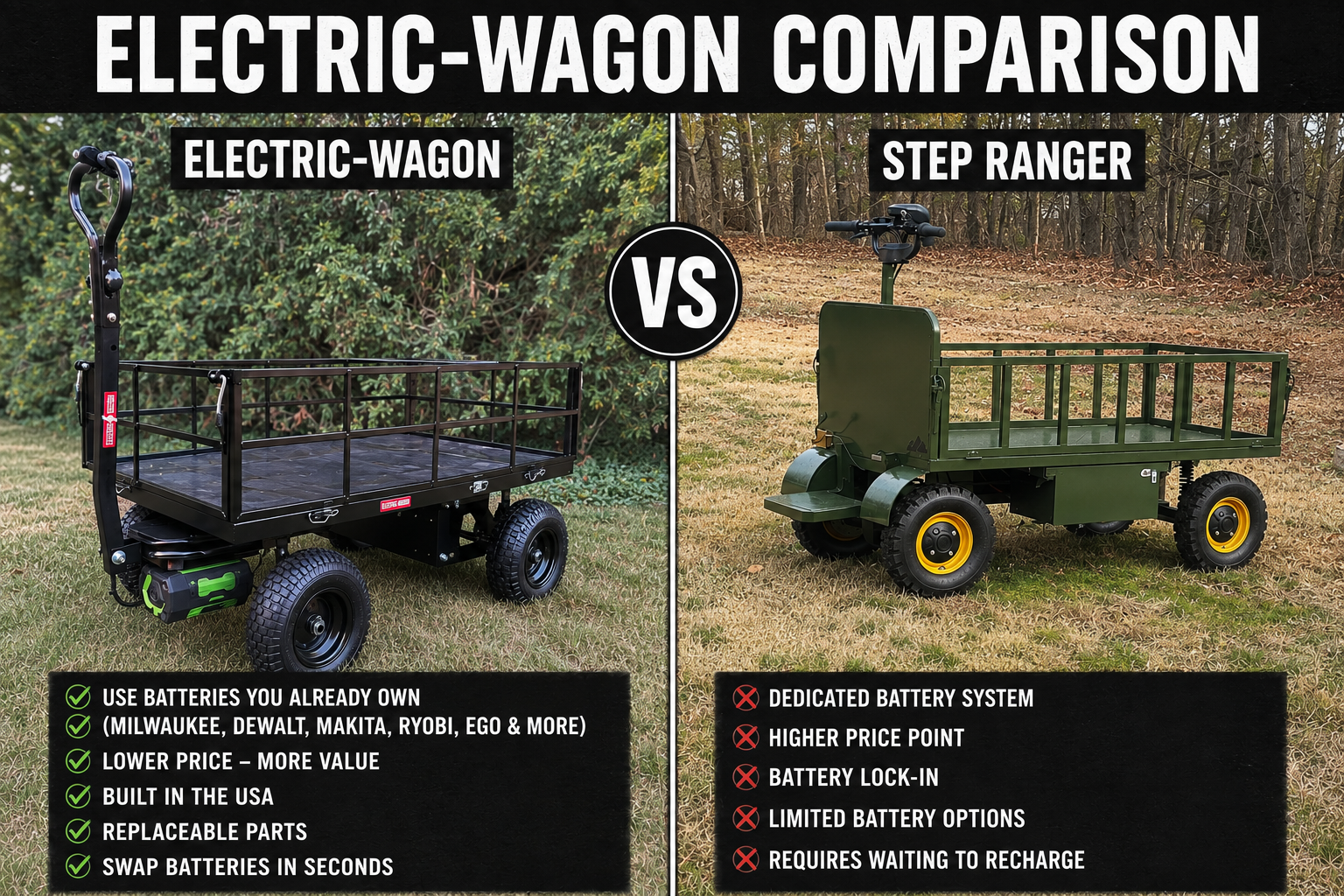
Moving away from gas-powered utility vehicles (like ATVs or UTVs) toward electric solutions offers a host of benefits that go beyond simple convenience. First and foremost is the lack of maintenance. Gas engines require oil changes, spark plugs, air filters, and the constant hassle of keeping fresh fuel on hand. In contrast, an electric wagon is remarkably simple. You plug it in, it charges, and it’s ready to work. There are fewer moving parts to wear out and no carburetors to get gummed up after a long winter of sitting in the shed. This reliability is essential for homeowners who need their equipment to work the moment a project starts.
Another significant advantage is the environmental and noise impact. Rural living is often about enjoying the peace and quiet of nature. The roar of a gas engine can shatter that tranquility. An electric motor hums quietly, allowing you to listen to the birds or hold a conversation with a family member while you work side-by-side. Additionally, there are no exhaust fumes. If you are using your wagon inside a greenhouse, a barn, or a large shed to organize supplies, you don't have to worry about ventilation. This clean operation makes the electric wagon a much more pleasant tool to use for long hours. When you combine the various uses with the low operating costs, it becomes clear that battery power is the future of property maintenance.
How long does the battery last on a single charge?
When you are in the middle of a big landscaping project, the last thing you want is for your equipment to die. Fortunately, modern battery technology has come a long way. The runtime of an electric wagon depends heavily on the load weight and the terrain, but most users find they can get a full day’s worth of work done on a single charge. If you are doing light garden work, you might go several days without needing to plug it in. For those heavy-duty days involving constant hauling up hills, the wagon battery is designed to keep pace with your stamina. Most chargers can bring the battery back to full capacity overnight, ensuring you are ready to hit the ground running the next morning.
To maximize your battery life, it is helpful to understand the power management of the machine. These wagons are built with lead-acid or lithium-ion systems that provide consistent power output throughout the discharge cycle. Unlike older cordless tools that might lose power as the battery drains, these wagons maintain their hauling capacity until they are nearly empty. For most rural property owners, the duty cycle of the wagon perfectly matches their workflow. You use it intensely for a few hours, let it sit while you do the actual planting or digging, and then use it again for cleanup. This intermittent use pattern is ideal for battery longevity and ensures that the wagon is always available when you need it most.
Simple Maintenance for Year-Round Performance
While electric wagons are much lower maintenance than their gas counterparts, a few simple steps will keep your machine running at peak performance for years to come. Because these wagons are used in landscaping, they often get covered in mud, mulch, and dust. Keeping the frame and the bed clean prevents debris from building up around the axles or the motor housing. A quick spray with a hose (avoiding direct high-pressure water on electrical components) is usually all it takes. Checking the tire pressure periodically is also important, as properly inflated tires reduce the rolling resistance and help the battery last longer.
Beyond cleaning and tire checks, the primary focus is battery health. During the winter months, if you aren't using the wagon as frequently, it’s a good idea to keep it in a temperature-controlled environment and maintain a base charge. This prevents the battery from deep-discharging in freezing temperatures. The simplicity of these machines is their greatest strength. With no oil to check and no fuel to stabilize, you spend less time working on your equipment and more time working on your land. It’s a straightforward, durable solution designed for people who value their time and effort.
Summary of Key Takeaways
Investing in an electric utility wagon is one of the smartest upgrades a rural homeowner can make for their landscaping and property management needs. These machines bridge the gap between heavy, expensive machinery and labor-intensive manual tools, providing a balanced solution that is both powerful and easy to use. By choosing electric power, you are opting for a quieter, cleaner, and more efficient way to handle the daily chores that keep your property beautiful.
- Efficiency: Move heavy loads like mulch and stone with zero physical strain.
- Versatility: Perfect for gardening, hauling tools, and clearing storm debris.
- Power: High-torque motors handle steep hills and rugged terrain with ease.
- Low Maintenance: No oil changes or gas required—just plug in and go.
- Quiet Operation: Maintain your property without the noise and fumes of gas engines.
Ready to see how an electric wagon can transform your weekend projects? Explore our full lineup and find the perfect match for your property's unique challenges.