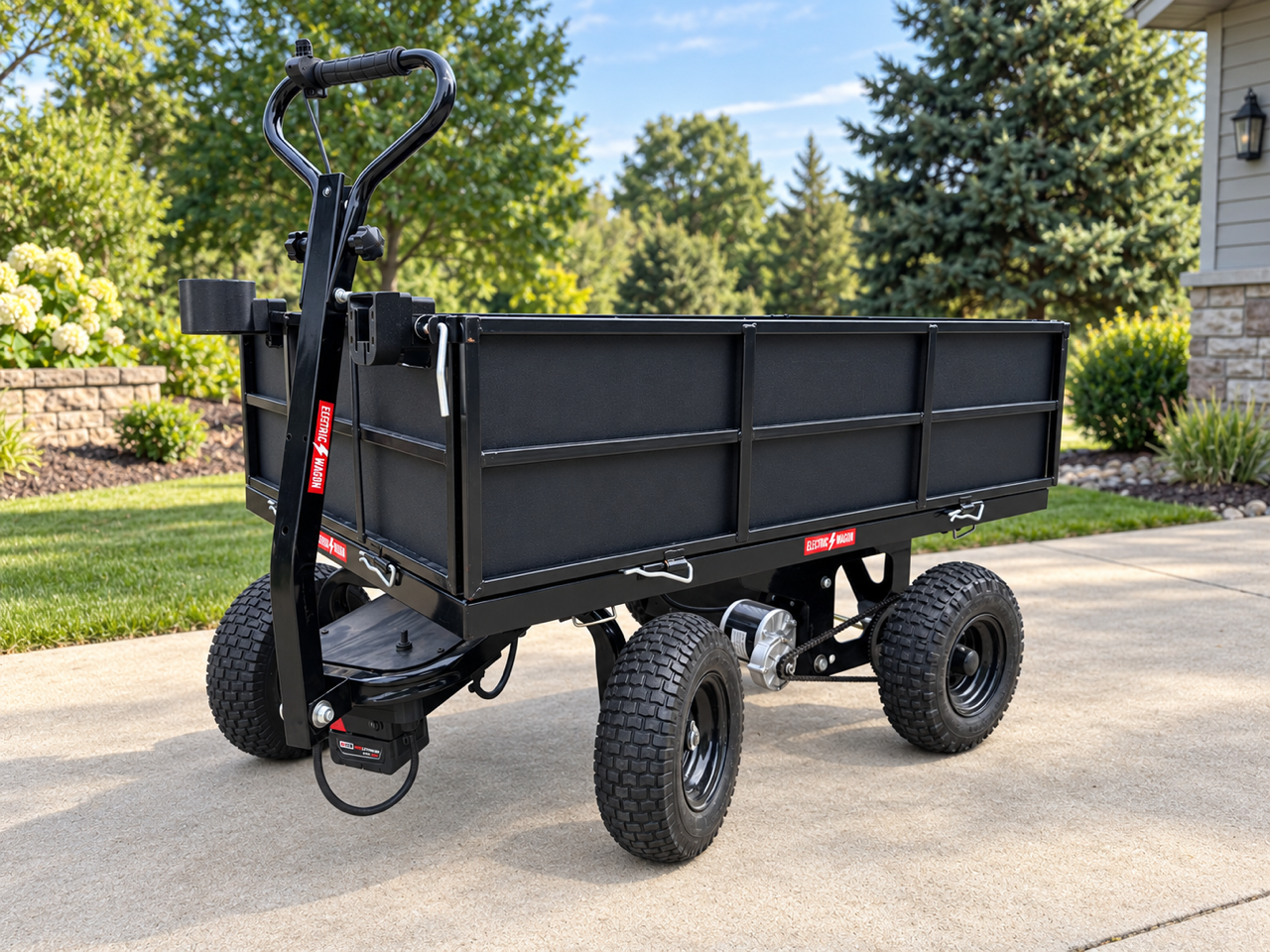
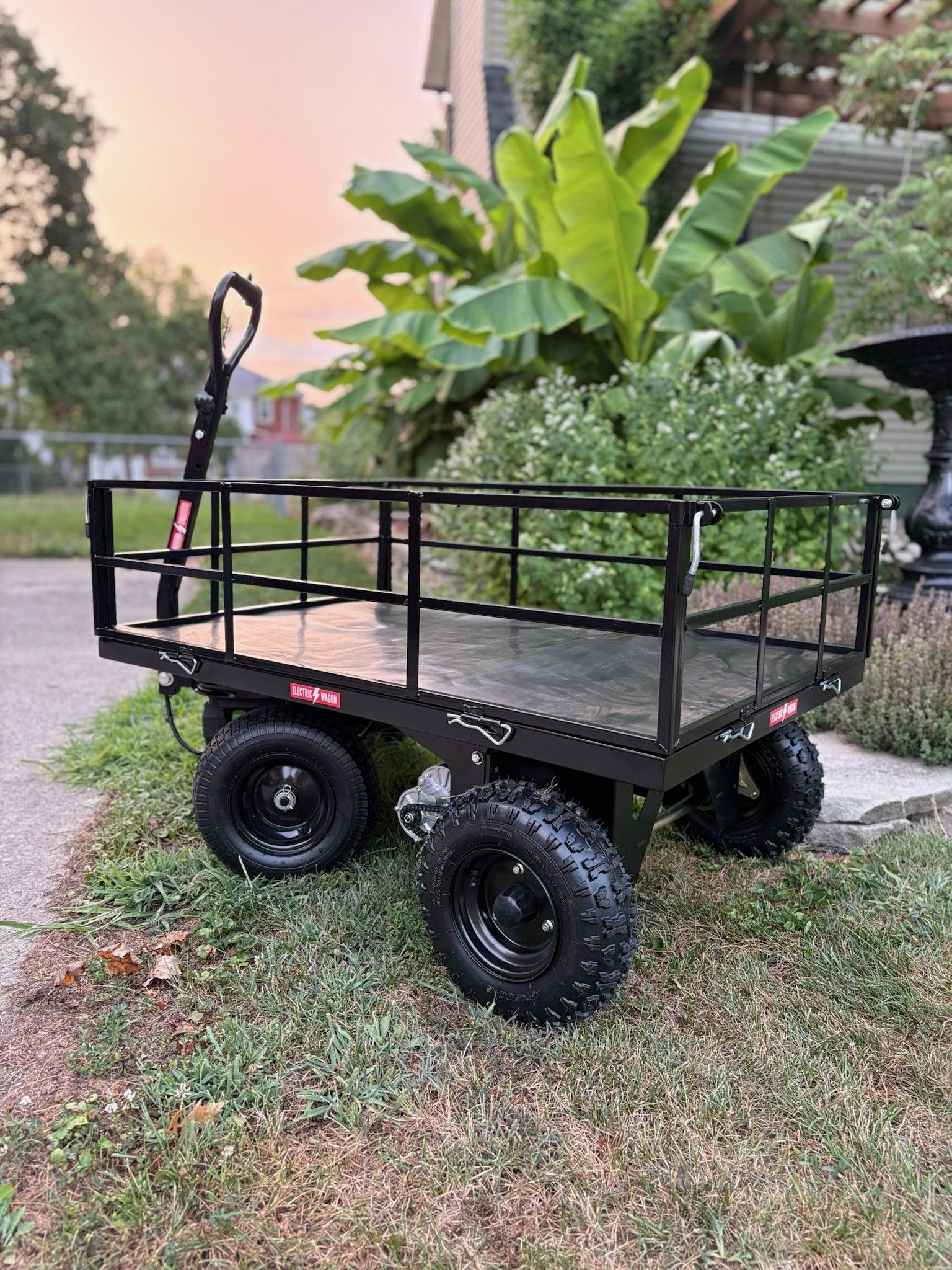
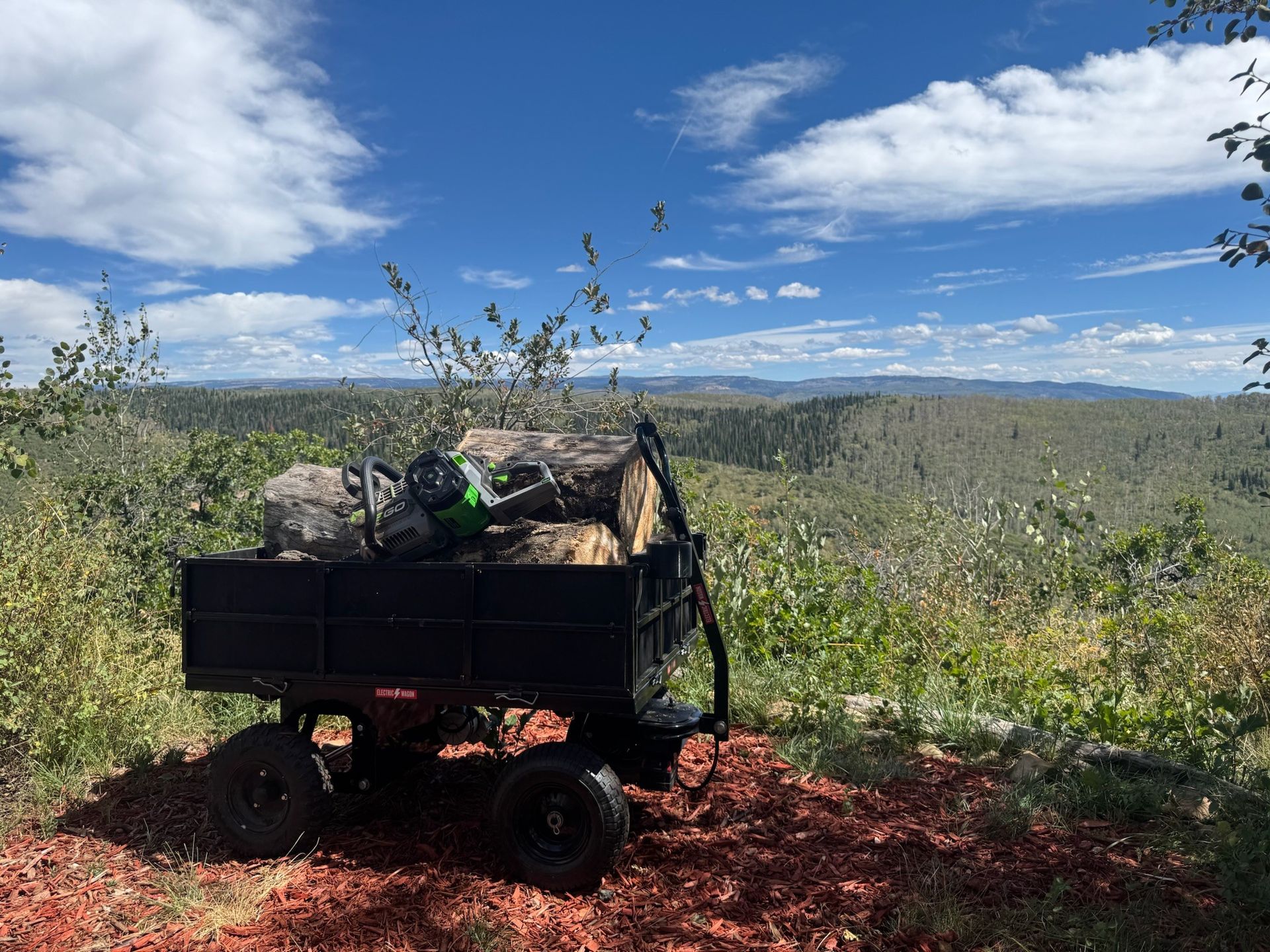
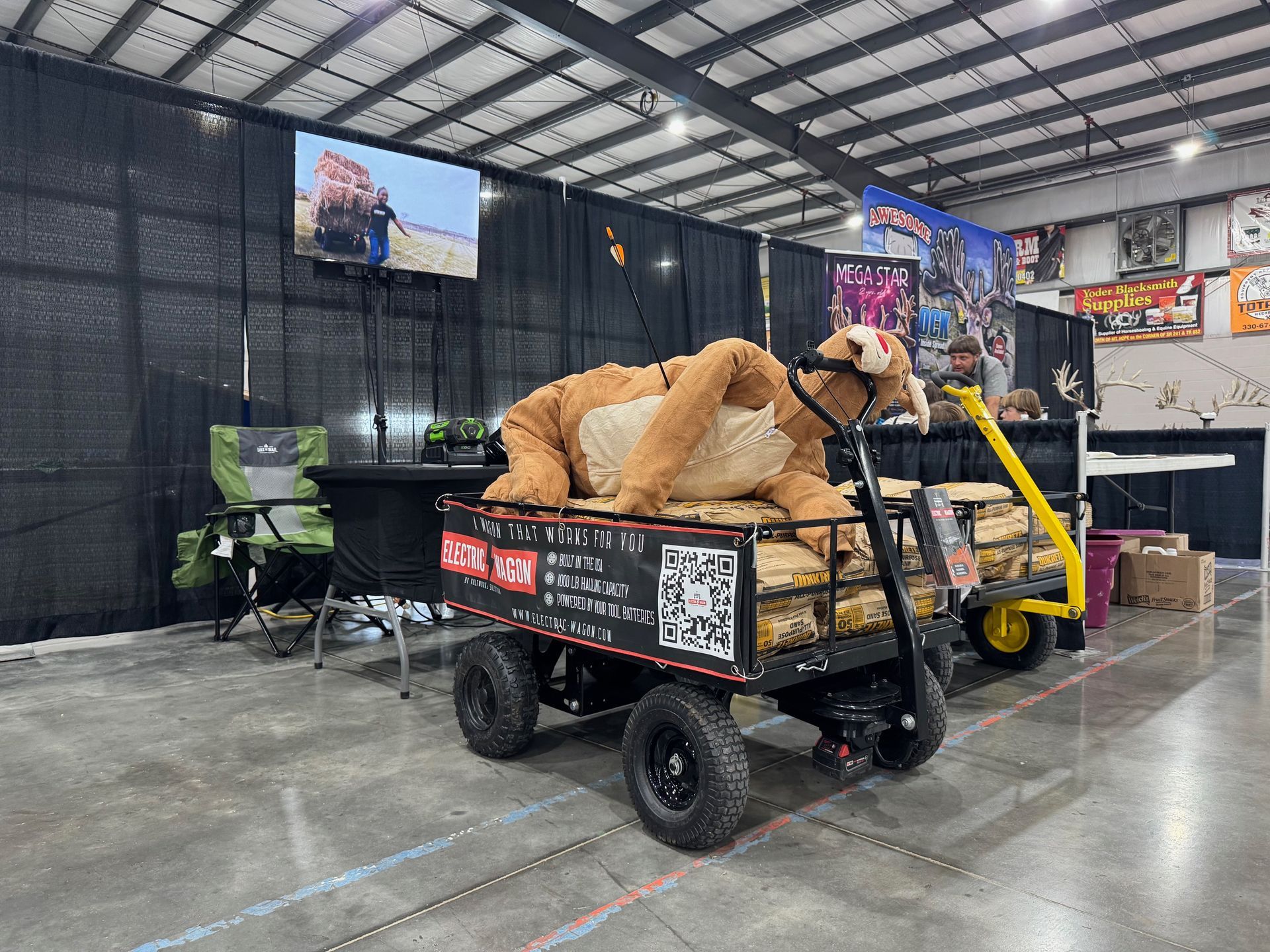
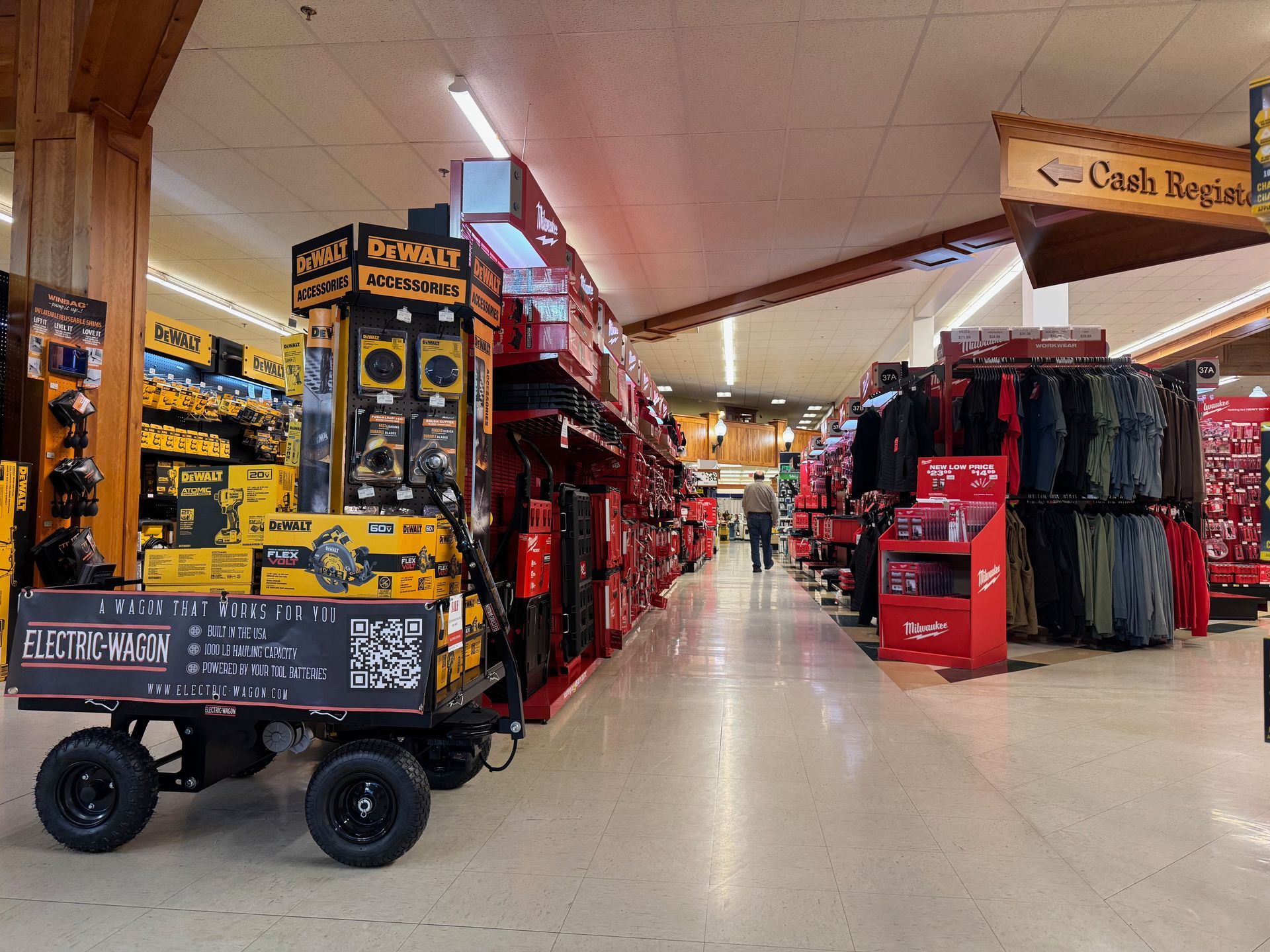
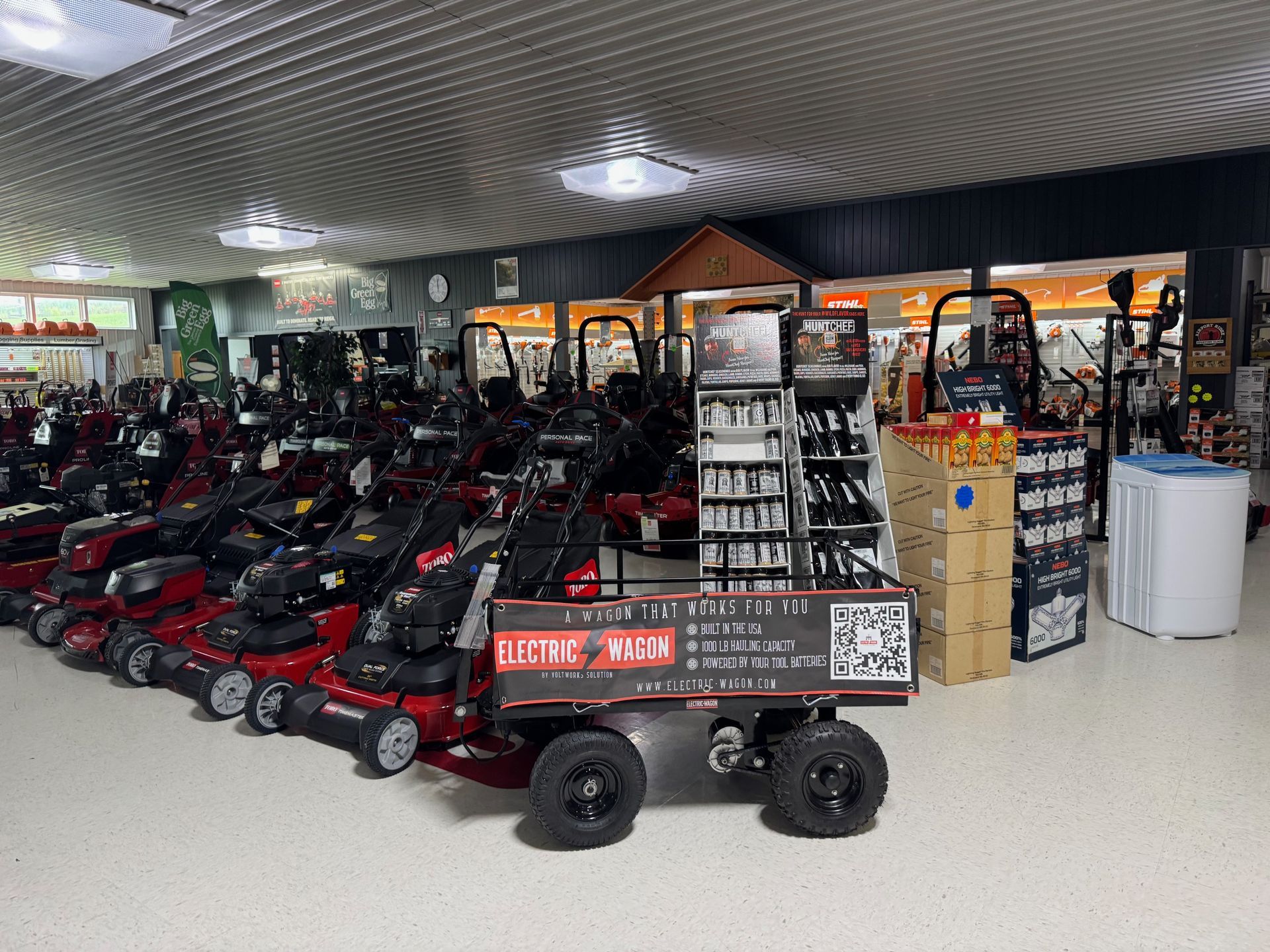
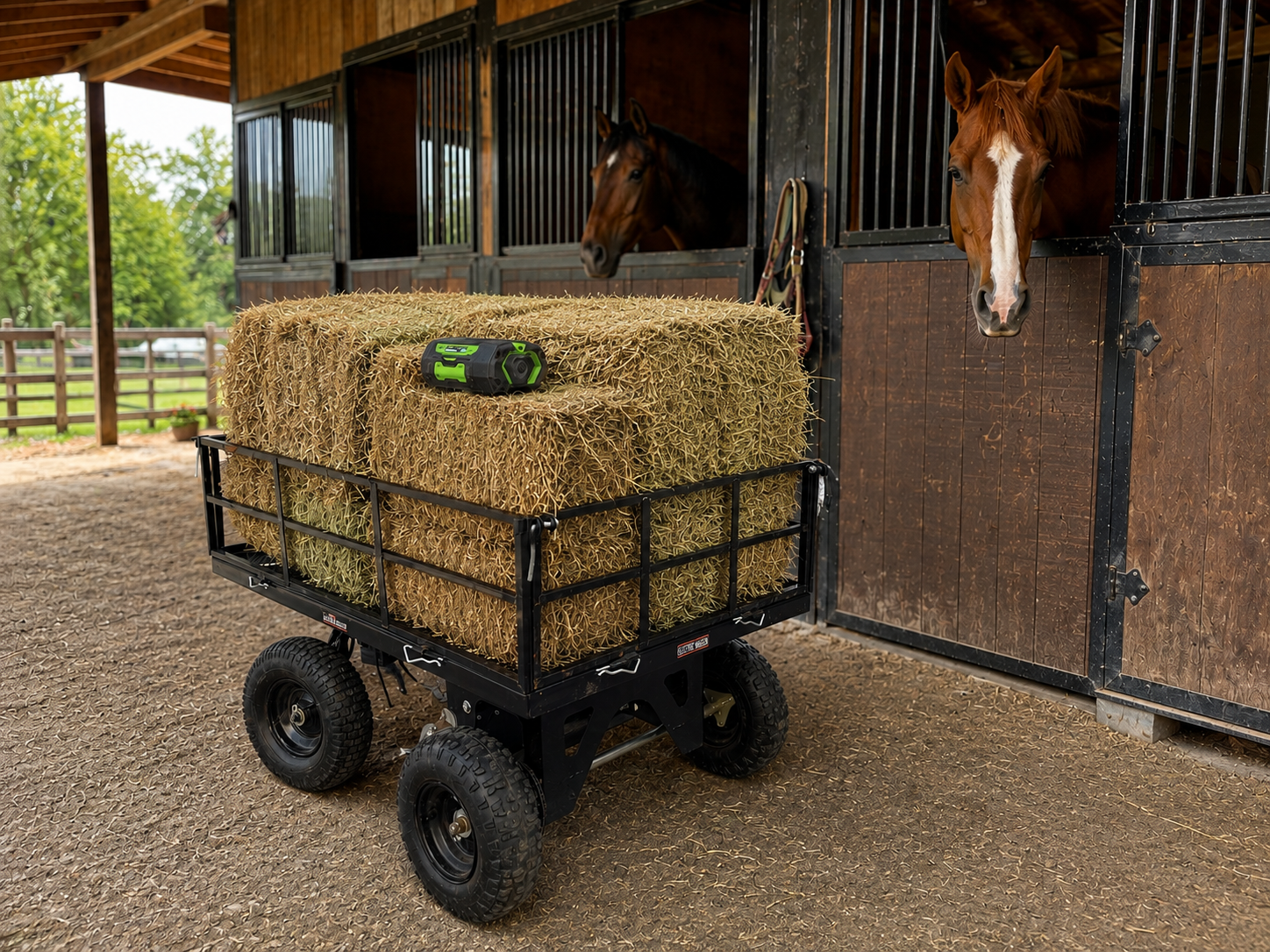
When it comes to battery-powered utility carts in Ohio, not all electric wagons are created equal. What sets the Electric Wagon apart is its clever use of standard power tool batteries, so you don’t need a special battery or charger just to keep your wagon moving.
Power You Already Own
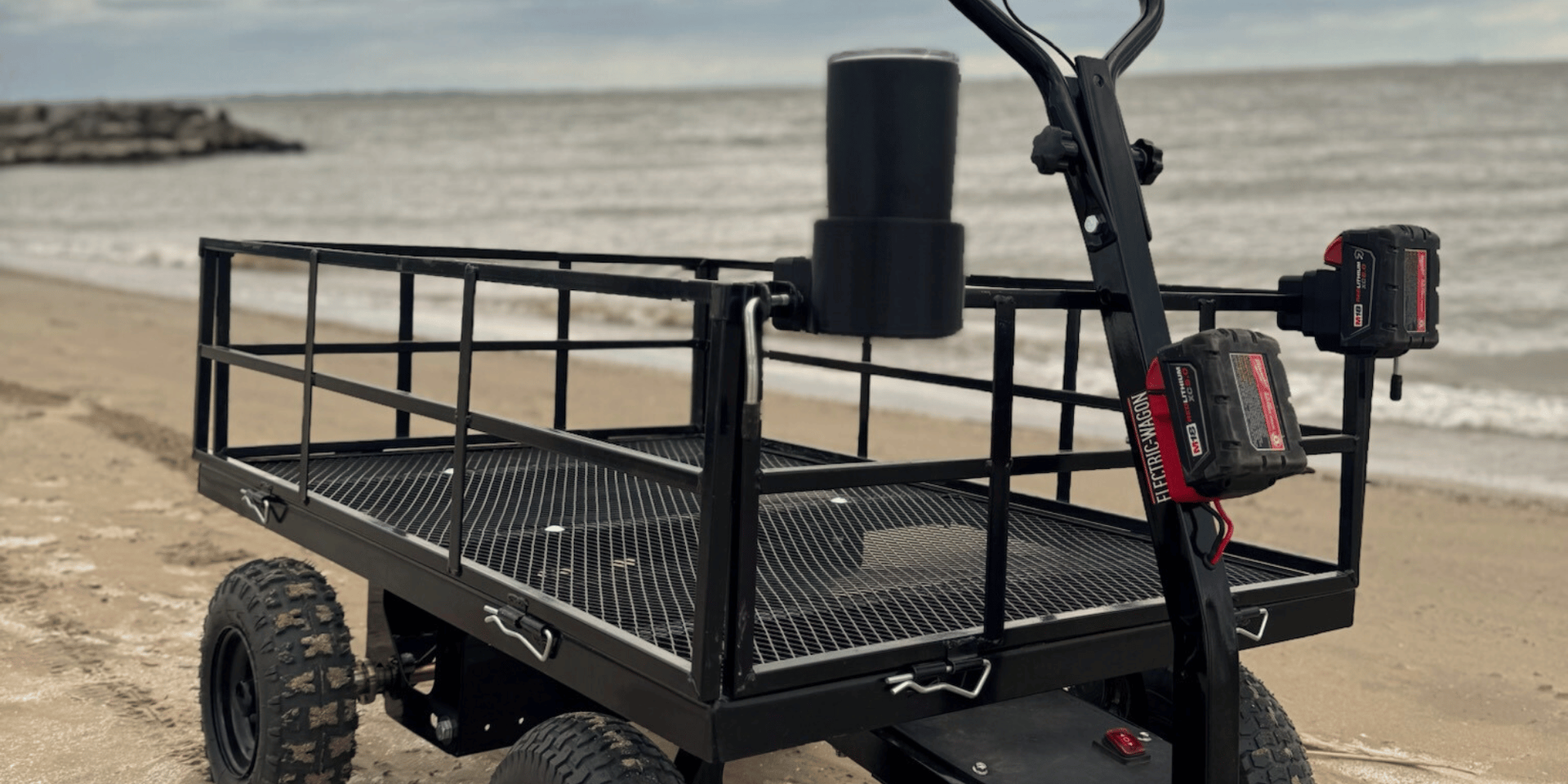
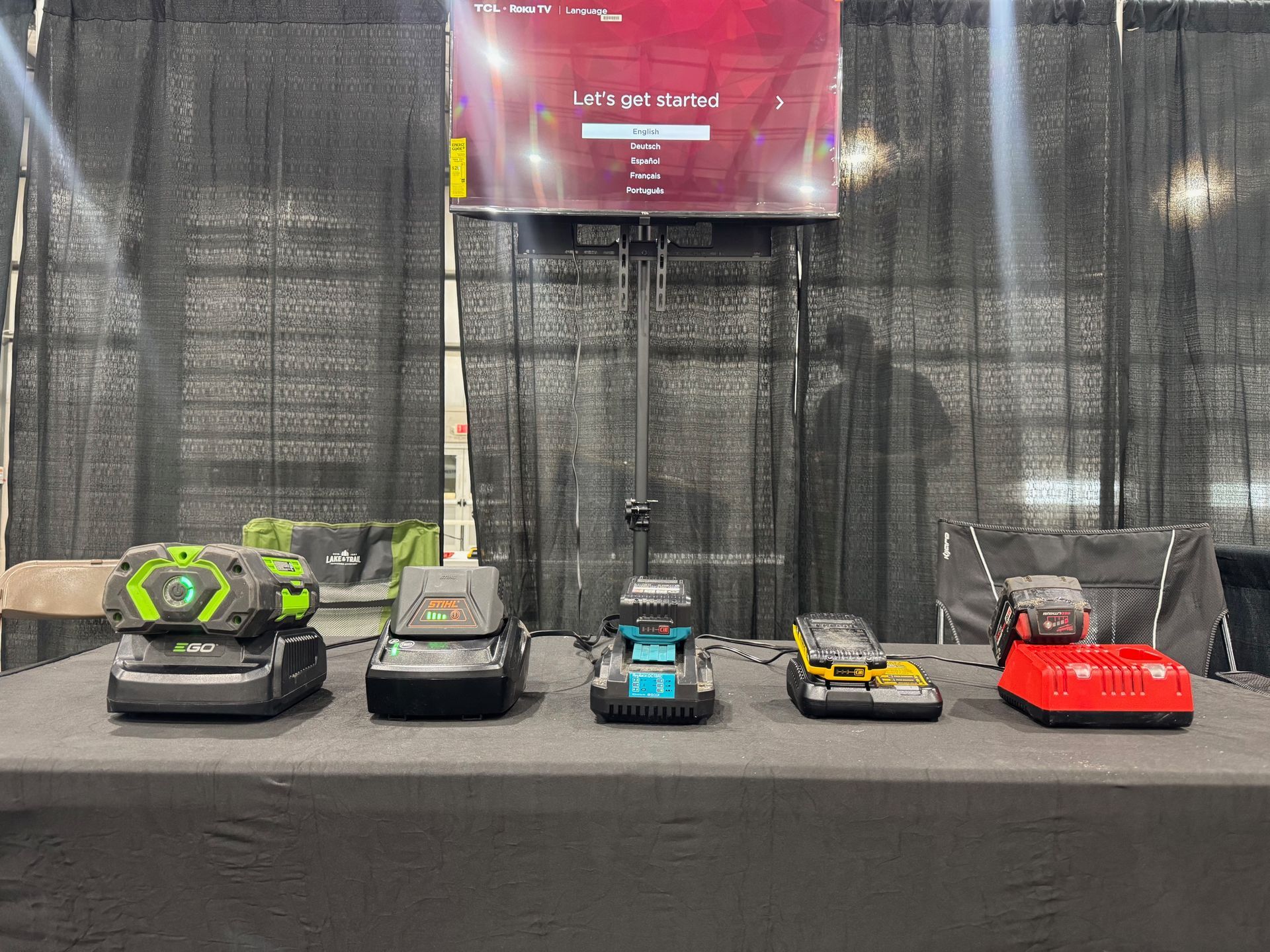
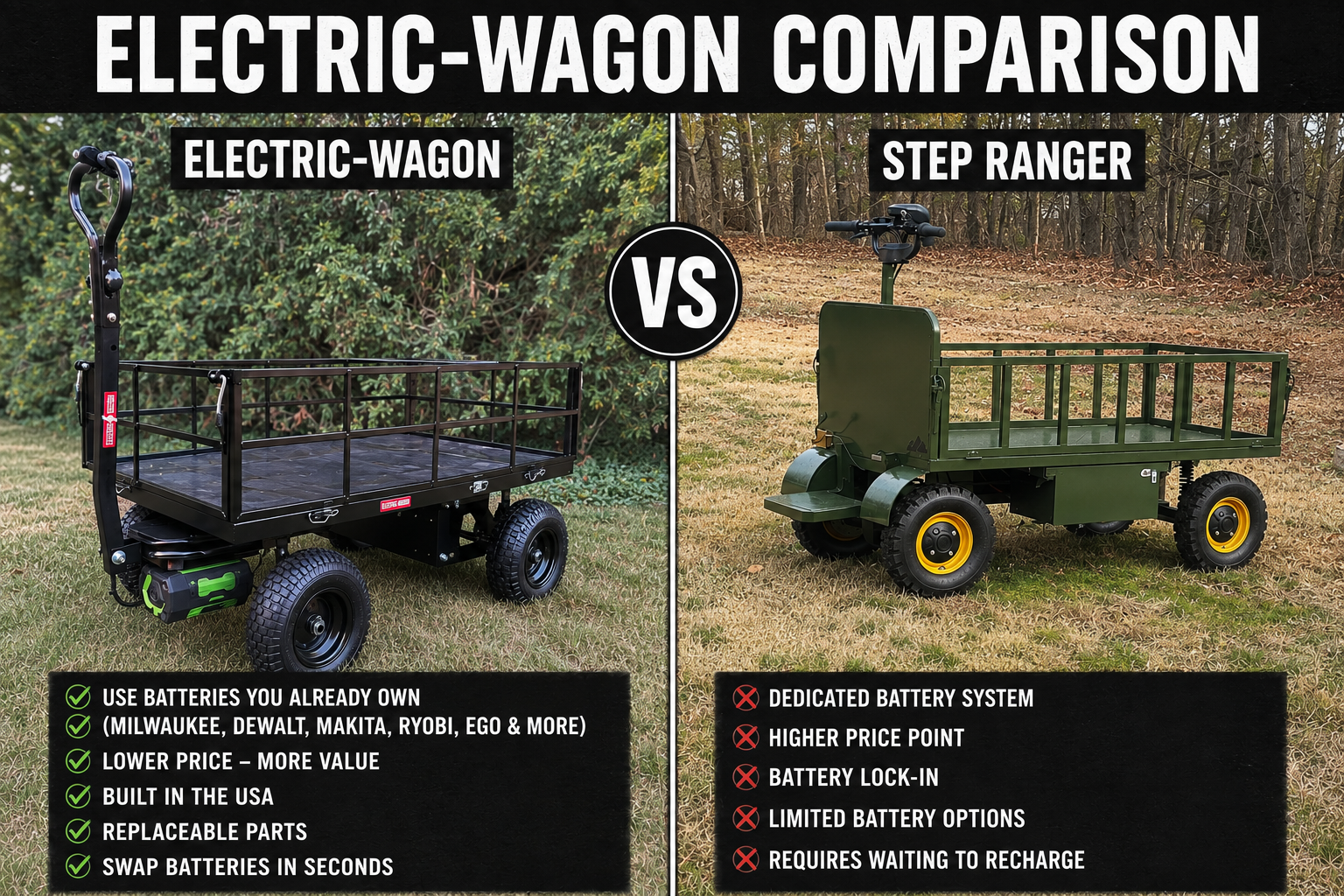
Instead of a heavy, hard-to-replace lithium pack or dragging the cart to a charging station, the Electric Wagon runs on 18–20 volt and 56 volt tool batteries from popular brands like Ryobi, DeWalt, Milwaukee, Craftsman, and E‑GO. That means if you already use cordless tools on a job site, in your workshop, or around your property, you can power your wagon with the batteries you already have lying around.
No Extra Chargers - Just Plug and Go
One of the biggest advantages of this system is its simplicity. You don’t need a separate charger, docking station, or specialized battery pack just for the wagon. Simply clip in any compatible tool battery and start hauling. This makes powering your cart both familiar and affordable, especially for contractors, landscapers, or DIY enthusiasts who already own multiple batteries from their power tool collections.
Impressive Performance
Despite using “standard” tool batteries, the Electric Wagon delivers the best performance. With a common 20 volt 12.0 Ah battery, the wagon can run continuously for up to 98 minutes or around 4.9 miles on a single charge, even when fully loaded.
With larger 56-volt batteries, the range increases significantly. A 12.0 Ah 56-volt battery can deliver up to 14.6 miles or nearly five hours of continuous operation, giving you plenty of running time for bigger jobs or longer days on the property.
Why This Matters?
Using power tool batteries is both clever and practical:
- Cost-effective: No need to buy another specialized battery system.
- Convenient: Use batteries you already charge for drills, saws, and other tools.
- Flexible: Swap batteries quickly to keep working without downtime.
- Reliable: Tested in real-world conditions to handle jobs around the farm, job site, warehouse, or backyard.
Power Meets Practicality
By designing the Electric Wagon to work with existing power tool battery platforms, its creators solved a common problem many electric carts face: power limitations and extra equipment overhead. With this approach, the wagon becomes a work-ready machine, whether you’re hauling materials, moving inventory, or enjoying weekend adventures with family gear in tow.