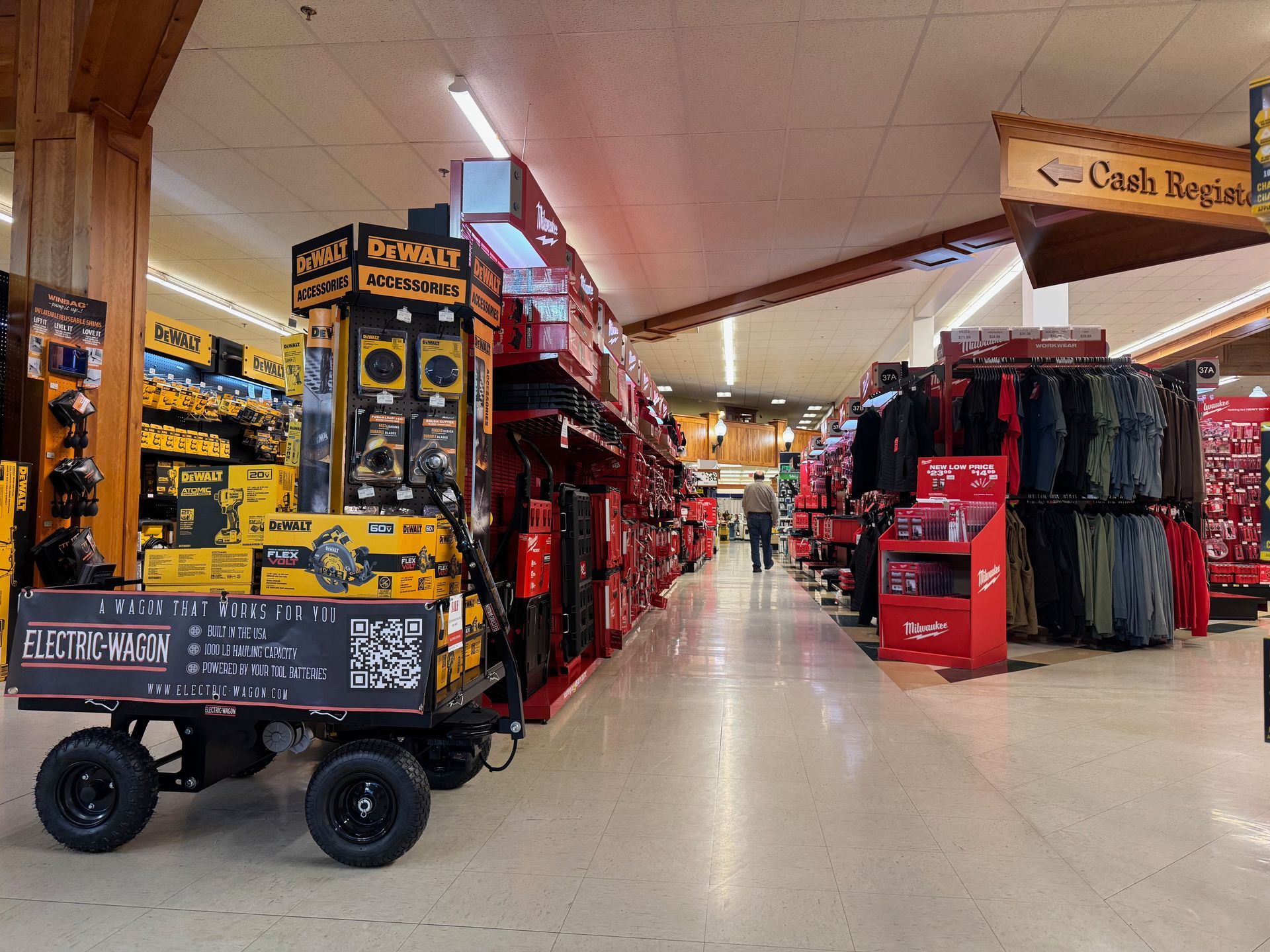
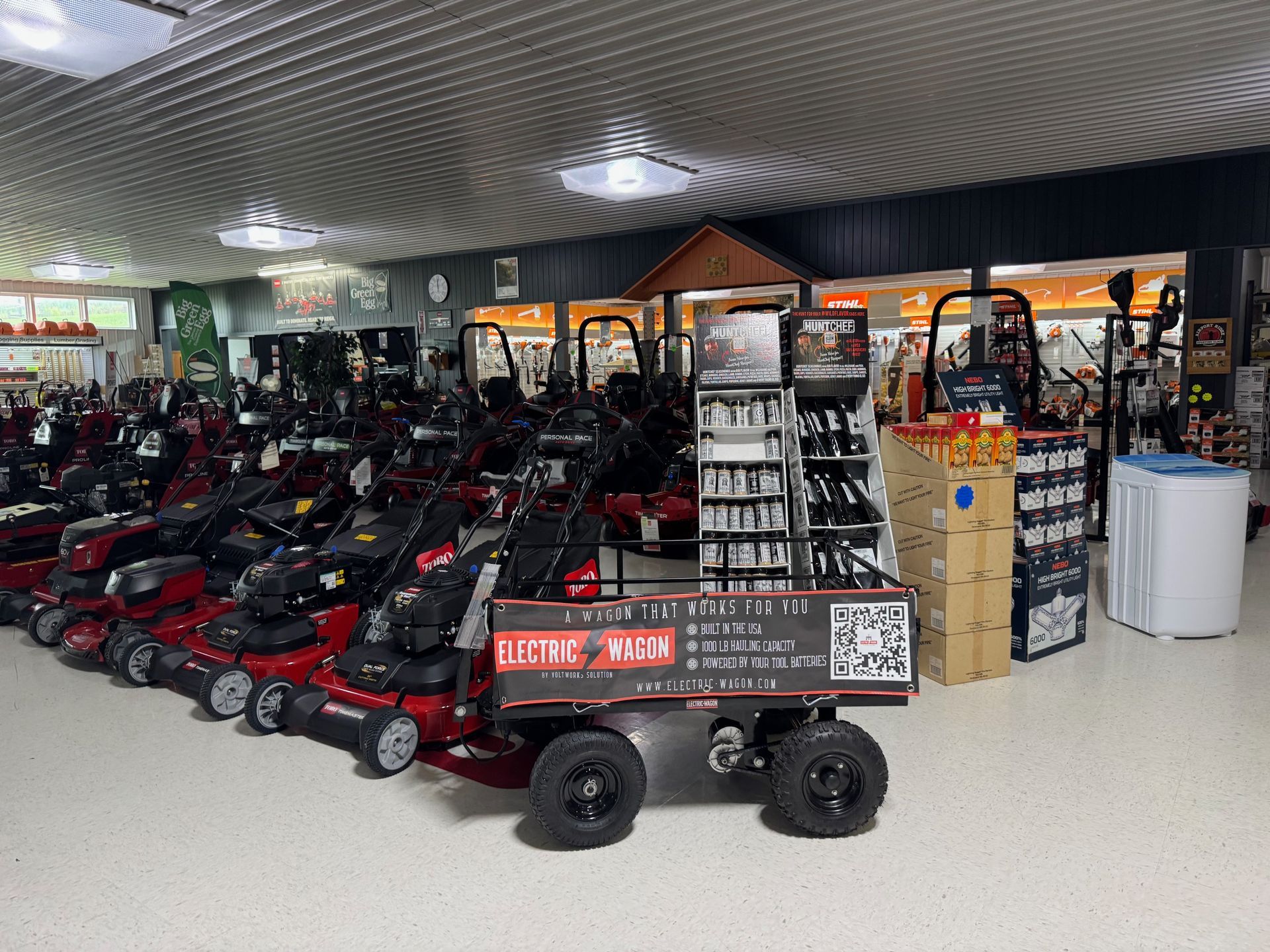
The market for powered wagons and utility carts has exploded in recent years. From foldable camping wagons to imported battery-powered carts, there are now dozens of options claiming to make hauling easier. But when you look beyond the marketing and compare what actually matters—durability, power, versatility, and long-term value—the Electric-Wagon stands in a class of its own.
Built for Work, Not Just Weekend Use
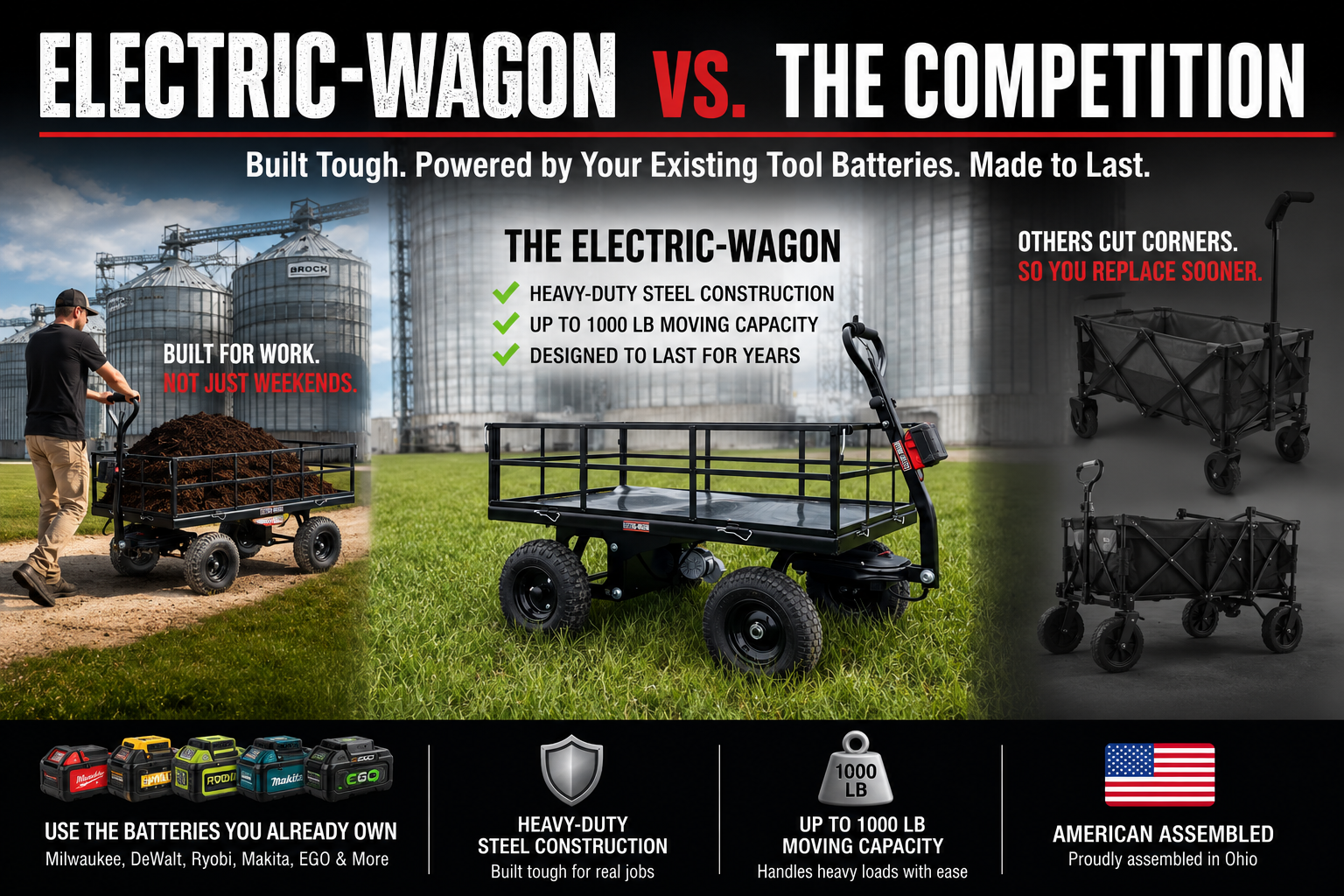
Many popular electric wagons on the market, such as the Litheli Electric Wagon and BougeRV Electric Utility Wagon, are designed primarily for recreational use. They work well for light-duty camping trips, sporting events, or hauling beach gear, but their folding frames and lightweight construction simply weren't designed for years of demanding farm, homestead, greenhouse, landscaping, or jobsite work.
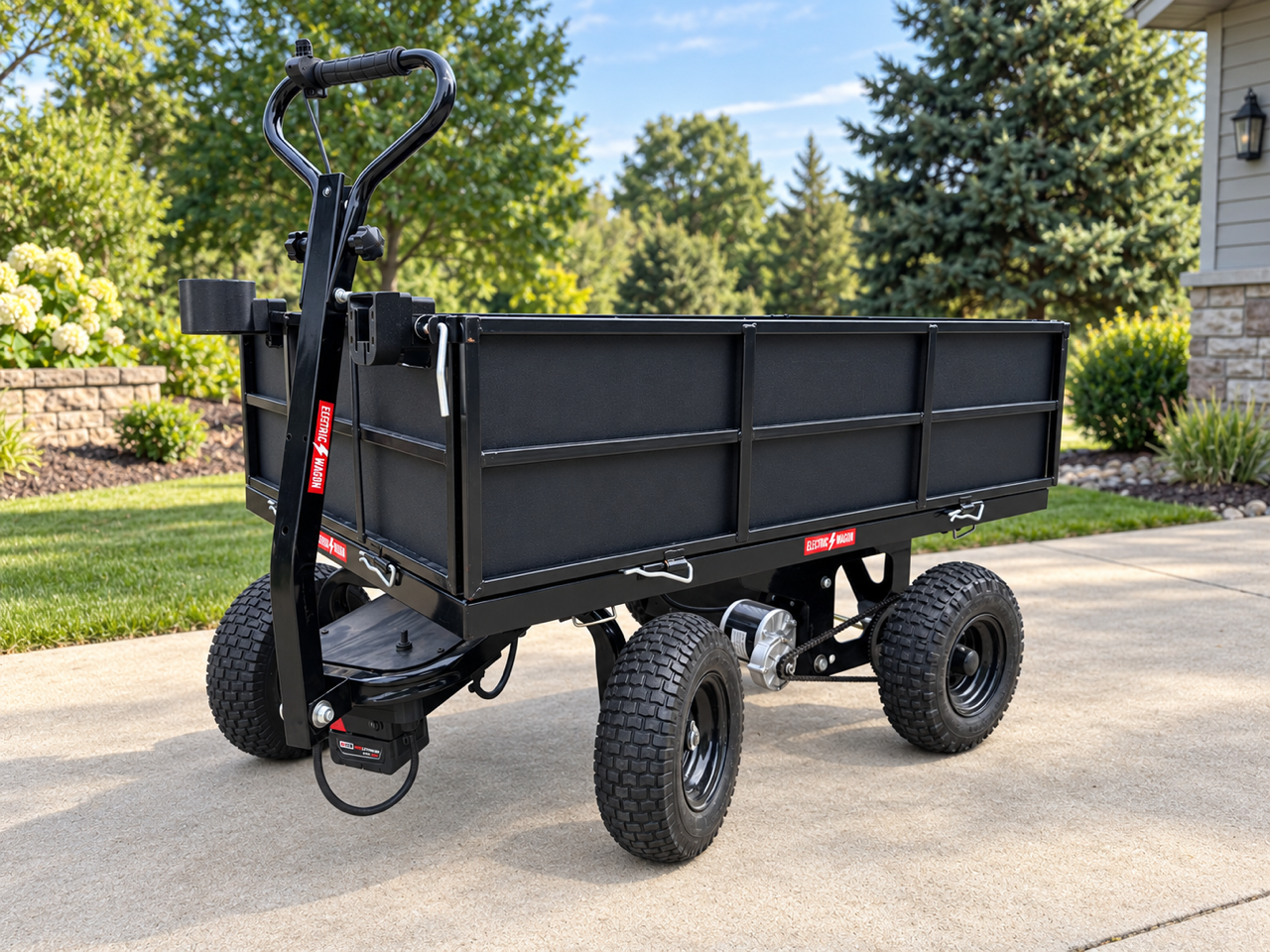
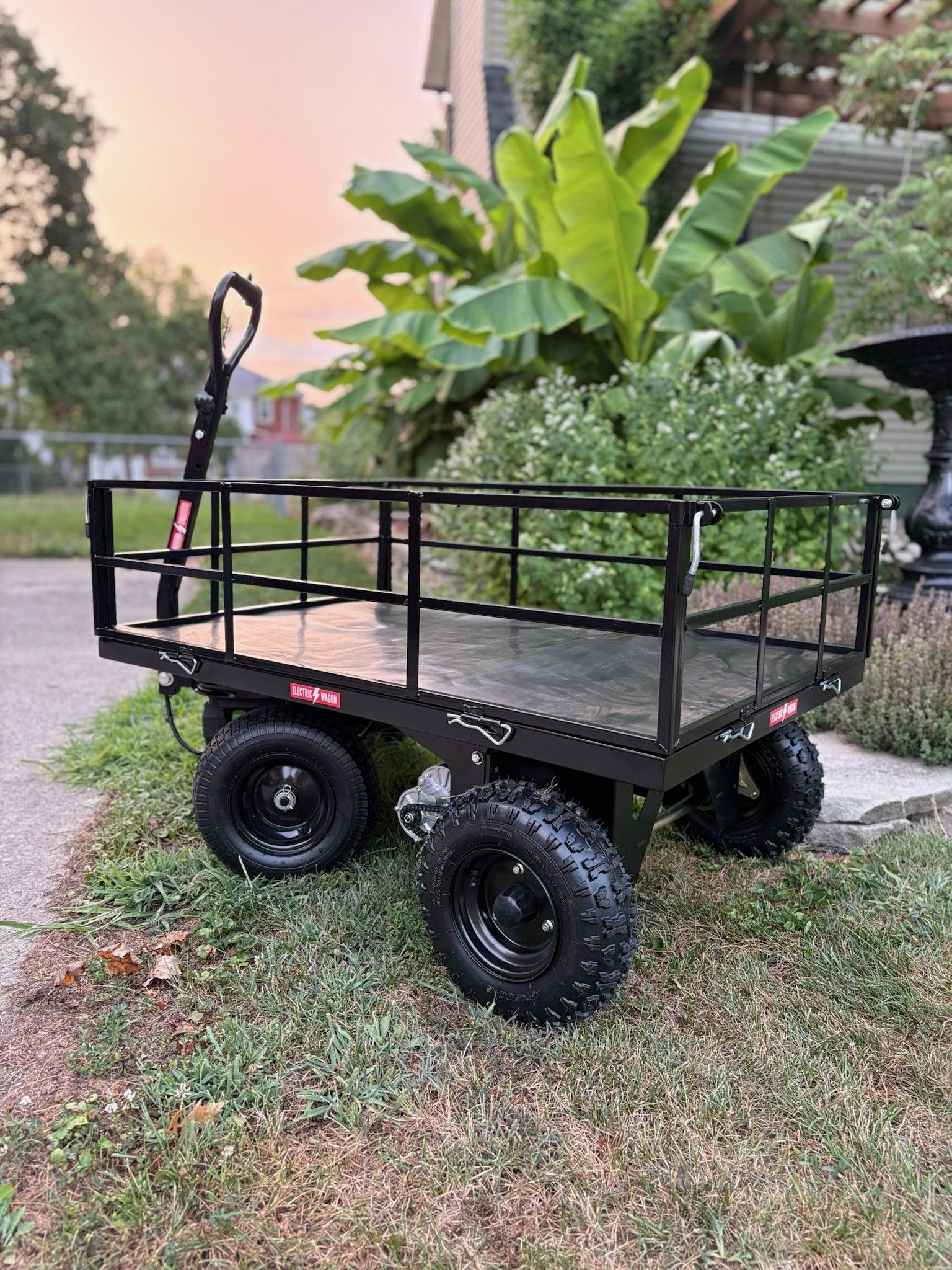
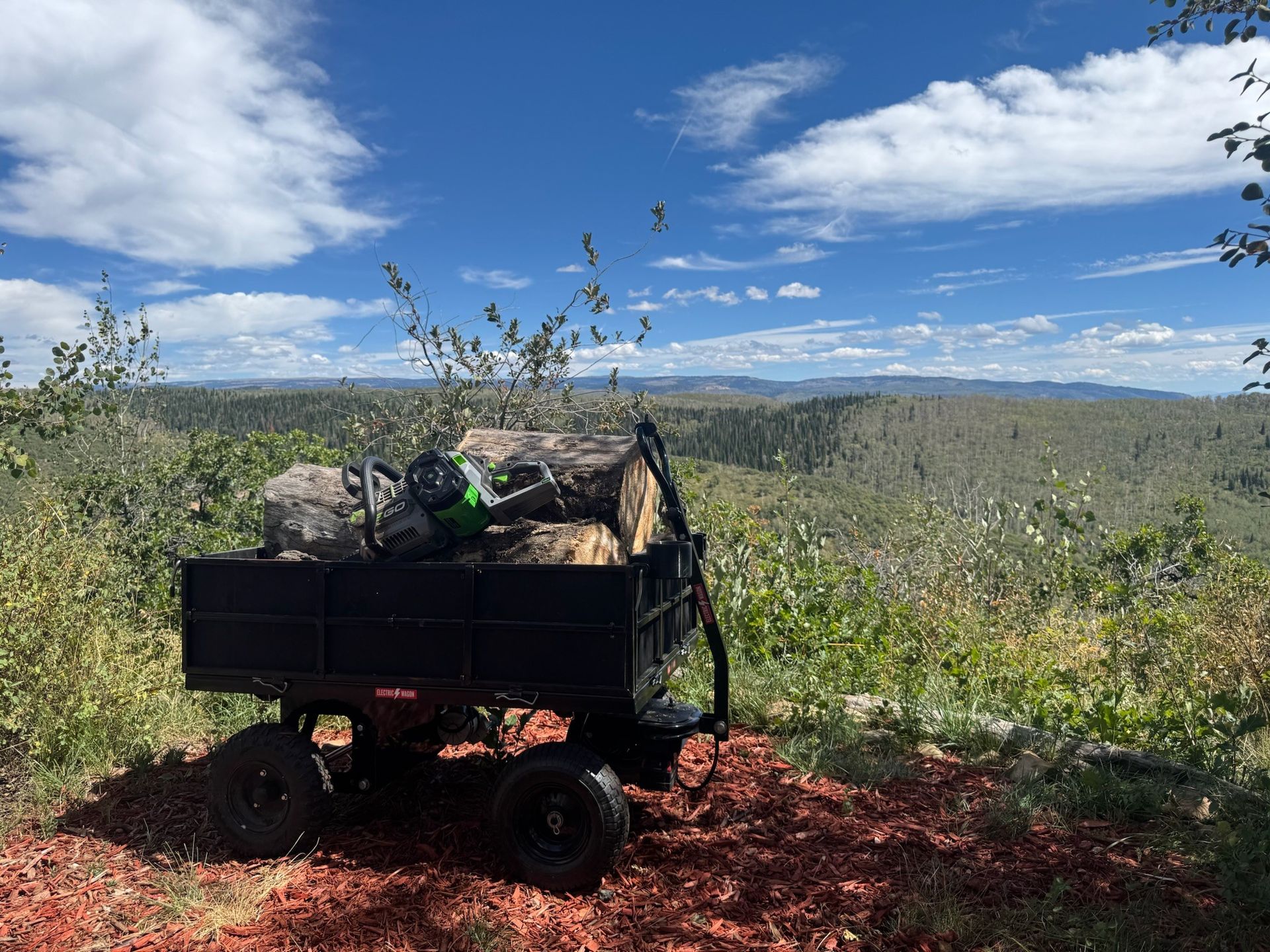
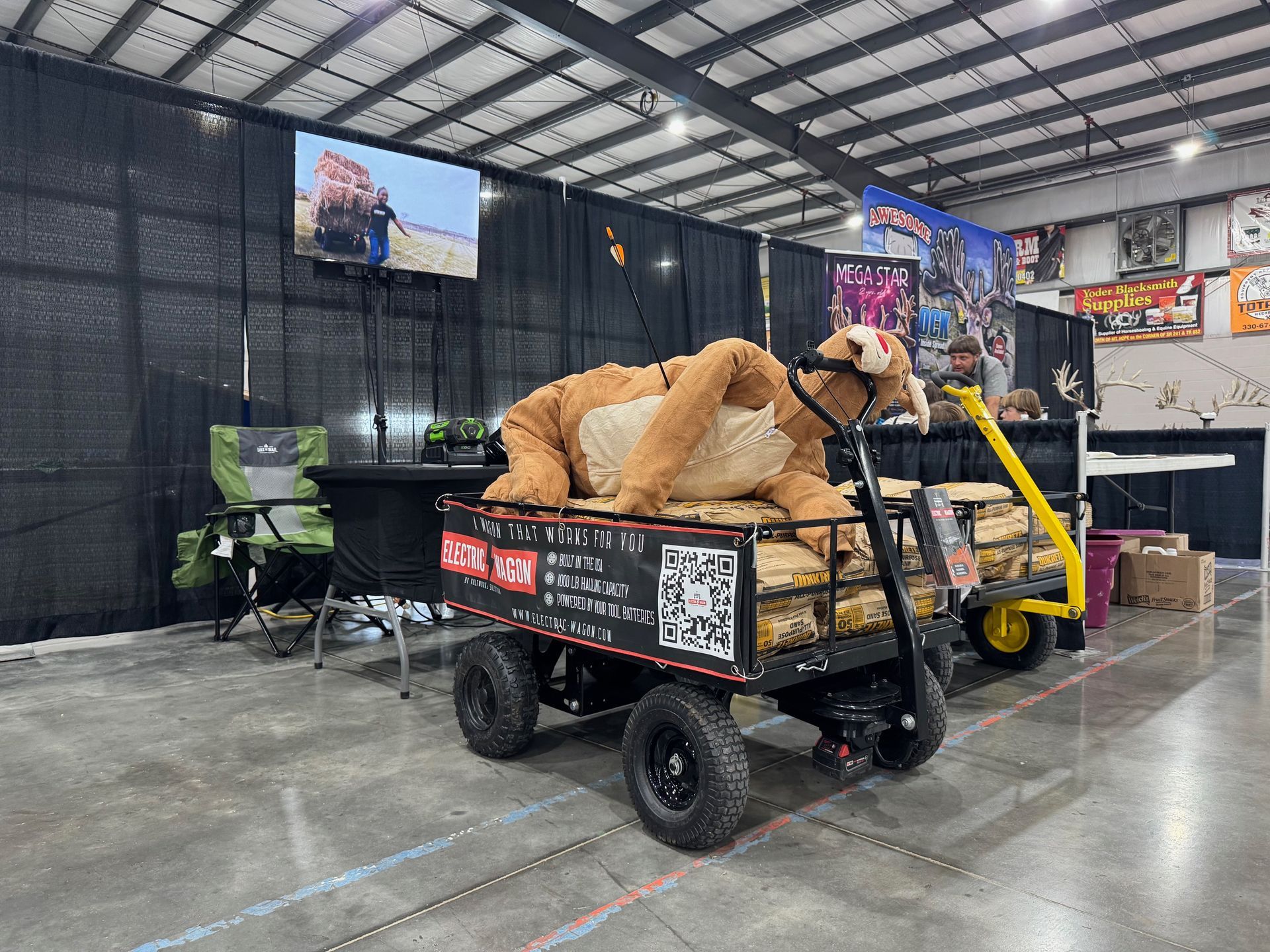
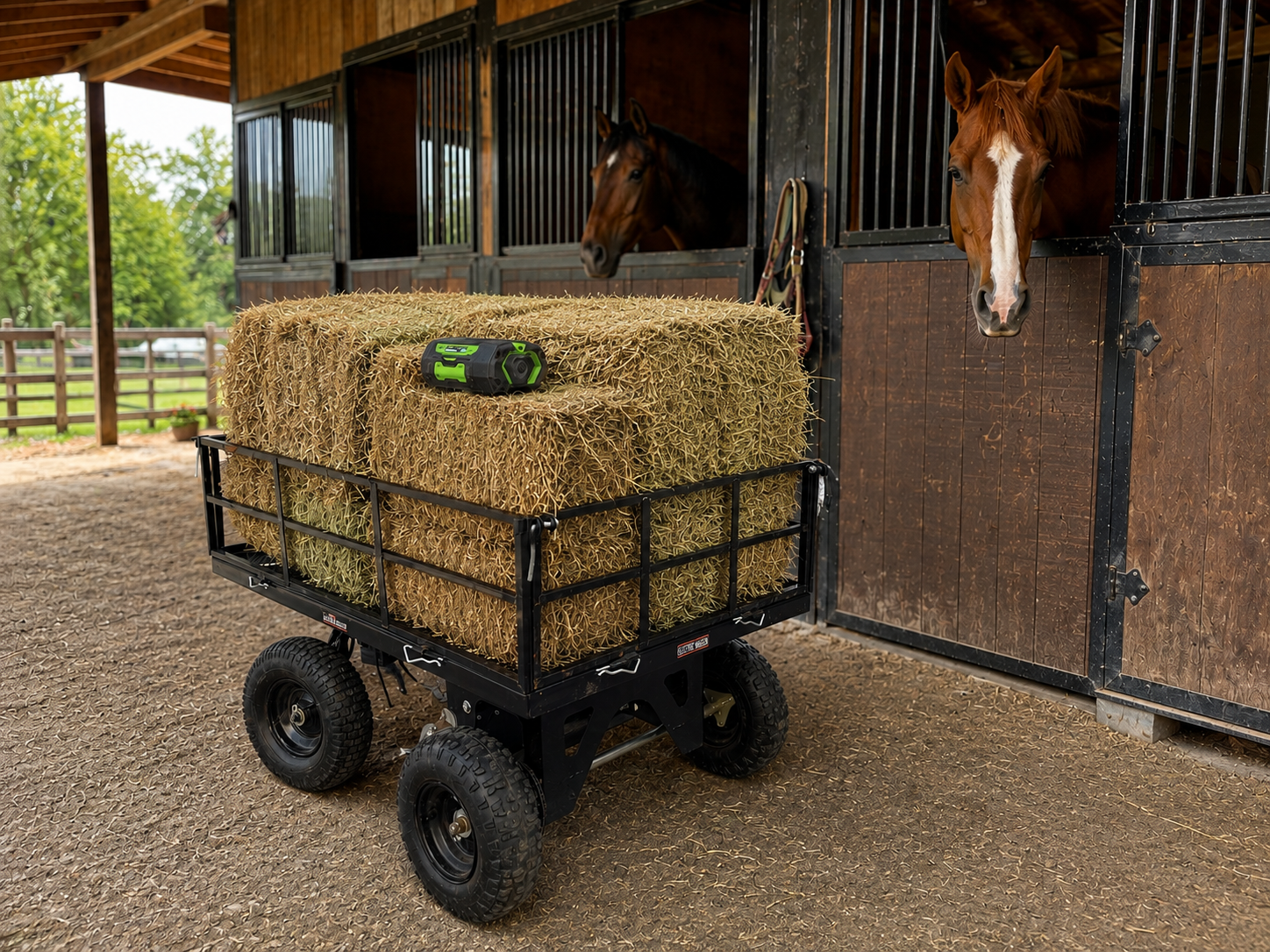
The Electric-Wagon was engineered from the beginning as a heavy-duty utility machine. With its steel frame, industrial-strength chassis, and 1000-pound carrying capacity, it is designed to handle real work day after day. Whether you're hauling mulch, firewood, fencing supplies, feed, tools, rocks, or construction materials, the Electric-Wagon is built to keep moving.
Use the Batteries You Already Own
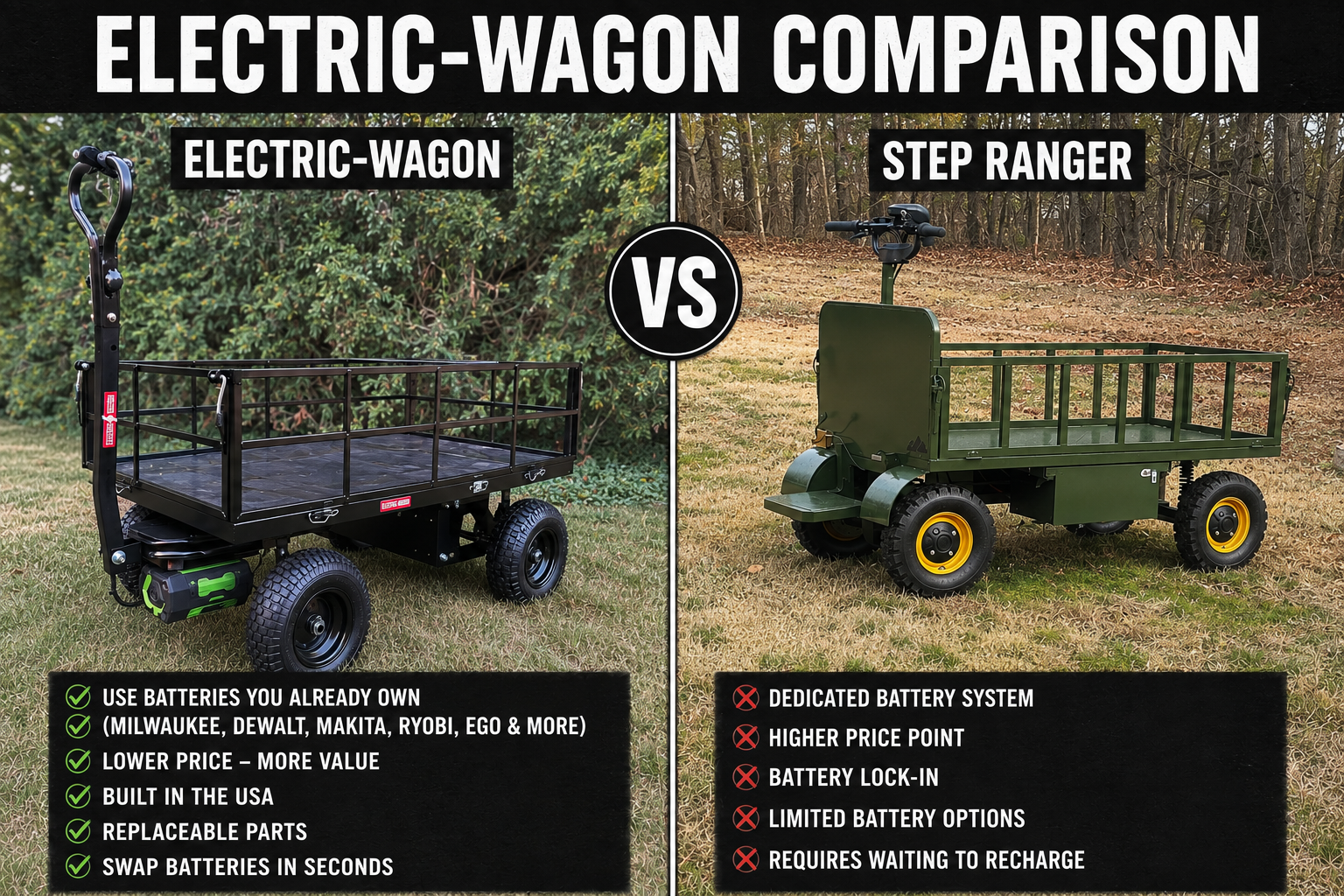
One of the biggest problems with competing electric wagons is that they often require proprietary batteries. When the battery wears out, you're forced to purchase an expensive replacement from the manufacturer. If the company disappears, finding replacements can become nearly impossible. Many users have voiced concerns online about proprietary battery systems and the electronic waste they create.
The Electric-Wagon takes a completely different approach.
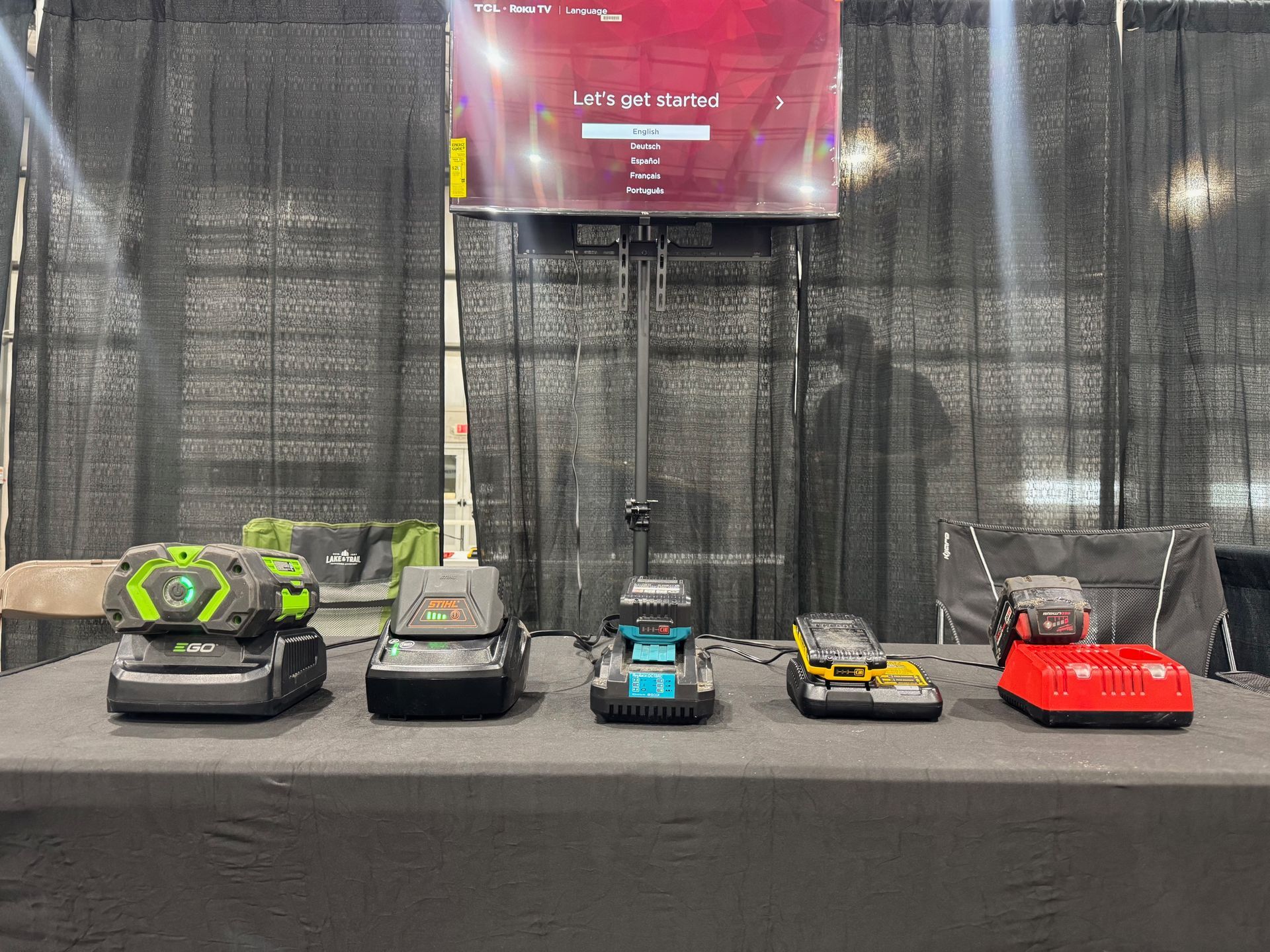
Instead of locking customers into a proprietary battery ecosystem, the Electric-Wagon runs on the same tool batteries you already use every day. Whether you're invested in Milwaukee, DeWalt, Ryobi, Makita, Craftsman, Snap-On, or EGO batteries, there's an adapter option available.
That means:
- No extra chargers cluttering your shop
- No expensive proprietary battery replacements
- Easy battery swaps while working
- The ability to use batteries you already own
If you already have a shelf full of tool batteries, you're ready to power your Electric-Wagon.
Designed to Last for Years
Many imported electric wagons focus on keeping costs low. Unfortunately, that often means lightweight materials, plastic components, and designs that prioritize portability over durability.
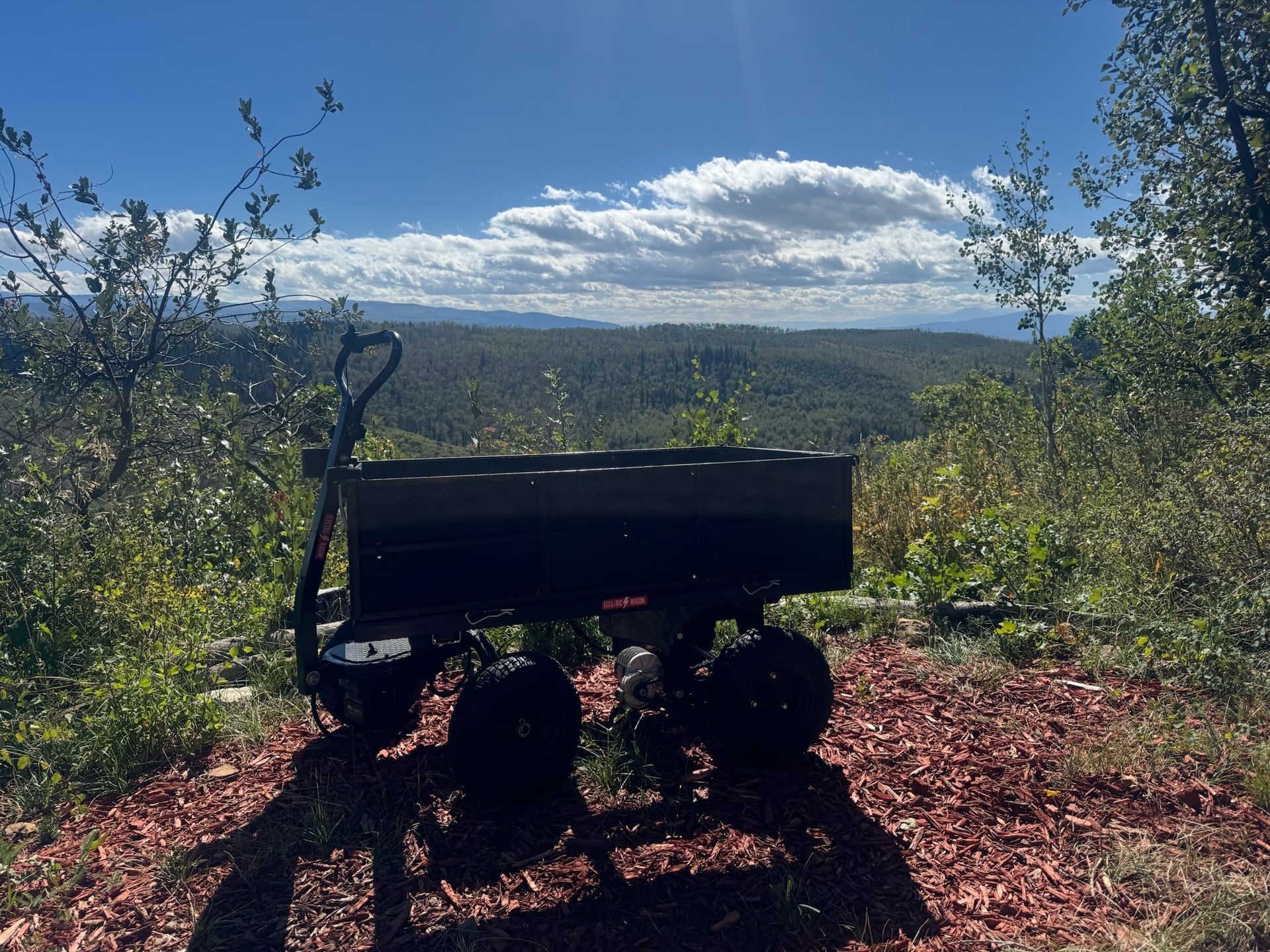
The Electric-Wagon was designed with longevity in mind. It features a heavy-duty metal platform, durable chassis, and proven drive system that can withstand harsh outdoor conditions. From farms and landscaping companies to warehouses and greenhouses, it is built for environments where equipment gets used—not babied.
This isn't a wagon you'll replace every few seasons. It's a tool built to become a permanent part of your operation.
American-Assembled Quality
While many competitors are manufactured entirely overseas, the Electric-Wagon is assembled in Ohio using American labor and incorporates U.S.-sourced materials wherever possible. The company works with American engineers and assembles each wagon at its Wauseon, Ohio facility.
For customers who value American manufacturing and supporting domestic jobs, that's a significant advantage.
More Than a Wagon
The Electric-Wagon isn't just for one specific task. Customers use it for:
- Landscaping and yard work
- Homesteads and farms
- Construction sites
- Greenhouses and nurseries
- Parks and maintenance departments
- Sporting events
- Campgrounds
- Warehouses and industrial facilities
Its versatility comes from combining a rugged utility cart with the convenience of battery-powered assistance. One wagon can serve dozens of purposes throughout the year.
The Bottom Line
If you're looking for a lightweight folding wagon for occasional trips to the beach, there are plenty of options available.
But if you need a wagon that can handle serious loads, use the batteries you already own, survive years of hard work, and deliver dependable performance every day, the choice is clear.
The Electric-Wagon was built differently.
Built tough. Powered smart. Ready to work.