When shopping for a wagon or wheelbarrow, it's easy to focus on one thing:
Price.
After all, if one wagon costs $99 and another costs several times more, why spend the extra money?
The answer becomes obvious after a season or two of real work.
The true cost of a wagon isn't what you pay on day one. It's what you spend replacing broken parts, fighting poor performance, and eventually buying another wagon when the first one fails.
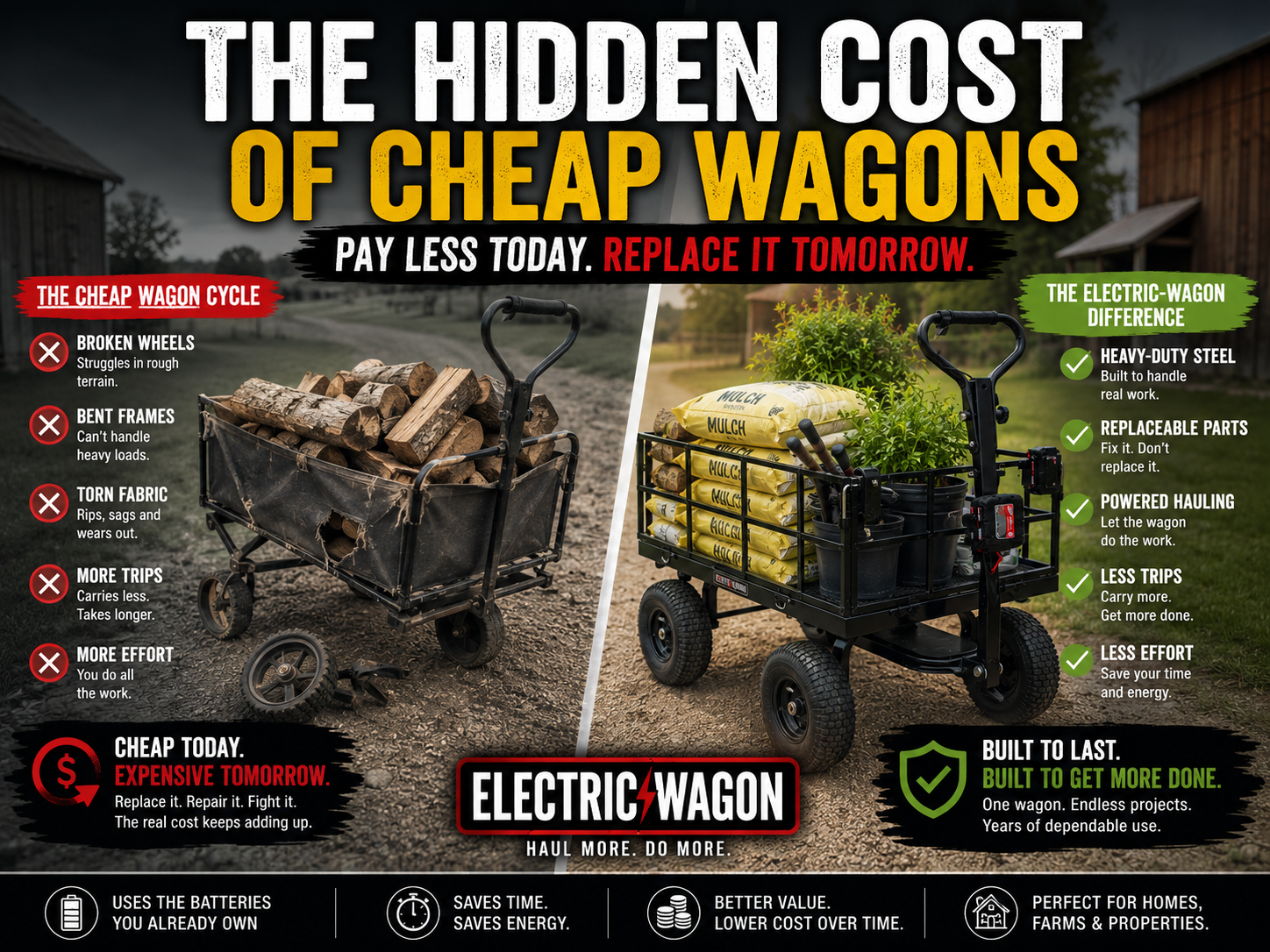
The Cheap Wagon Cycle
Most inexpensive wagons are designed for occasional light-duty use.
A few bags of mulch.
A trip to the beach.
A couple gardening projects.
But once you start asking them to handle serious work, problems begin to appear.
Common failures include:
- Bent frames
- Broken axles
- Torn fabric beds
- Flat tires
- Loose steering components
- Failed wheel bearings
- Rust and corrosion
Many people end up replacing the entire wagon after just a few years.
Then they buy another.
And another.
The Cost of Your Time
The biggest hidden expense isn't replacement parts.
It's your time and energy.
Think about moving:
- Mulch
- Firewood
- Feed bags
- Landscaping stone
- Tools
- Garden supplies
A traditional wagon or wheelbarrow requires every pound to be pushed, pulled, balanced, and controlled by you.
You might save money on the purchase price, but you'll pay for it every single trip.
Small Inefficiencies Add Up
Let's say a project requires 20 trips across your property.
A better wagon may:
- Carry more per trip
- Roll easier
- Handle rough terrain better
- Require less physical effort
Even saving one minute per trip means 20 minutes saved on a single project.
Over months and years of ownership, those savings become significant.
Cheap Wheels Are Expensive
One of the first components to fail on low-cost wagons is the wheel system.
Small tires struggle in grass.
Plastic wheels crack.
Bearings wear out.
The wagon becomes harder to pull and less enjoyable to use.
Many owners eventually stop using it altogether because it becomes more trouble than it's worth.
A tool sitting unused is never a bargain.
Built for Real Work
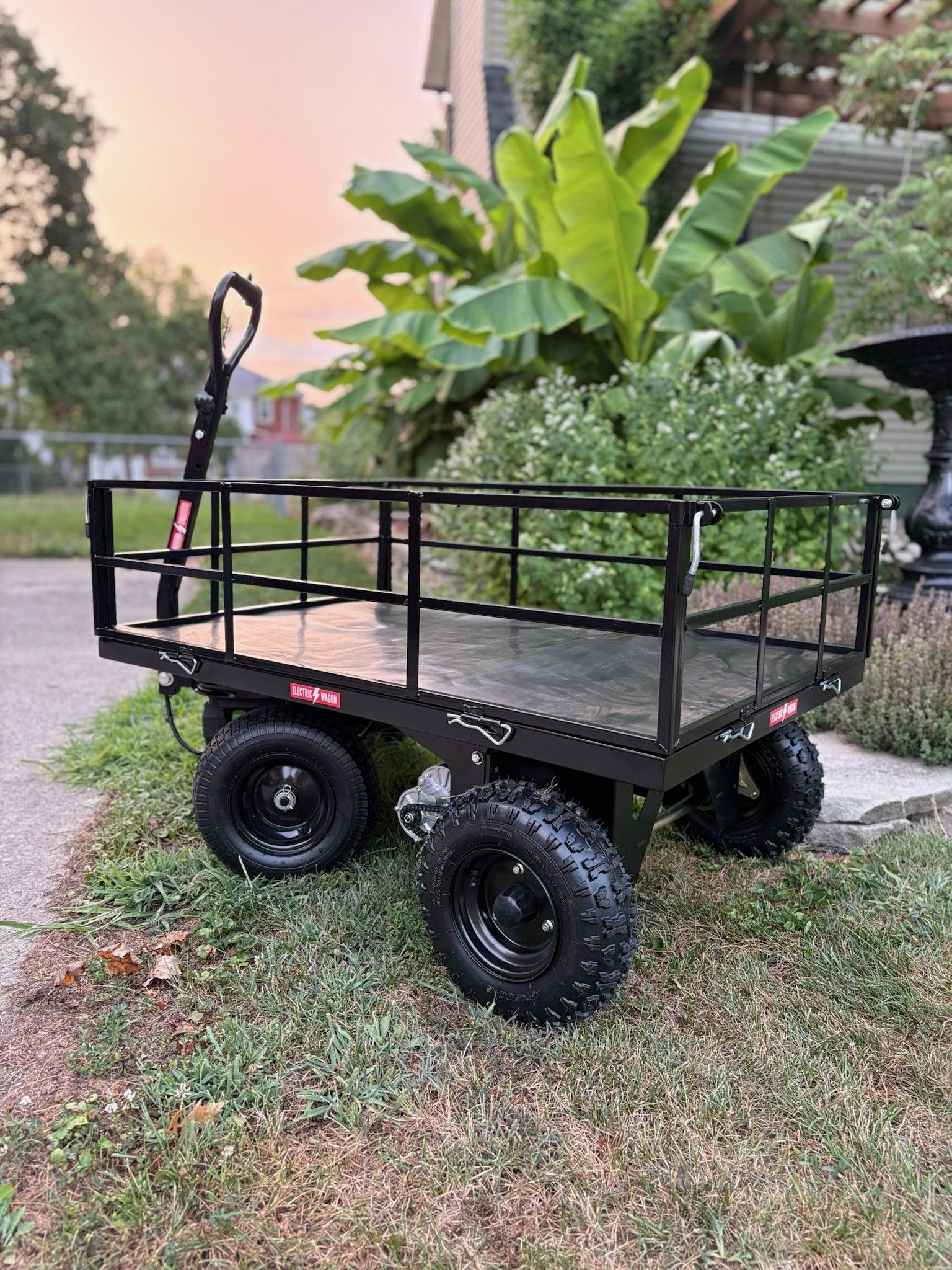
The Electric-Wagon was designed around a simple idea:
Build something people won't outgrow.
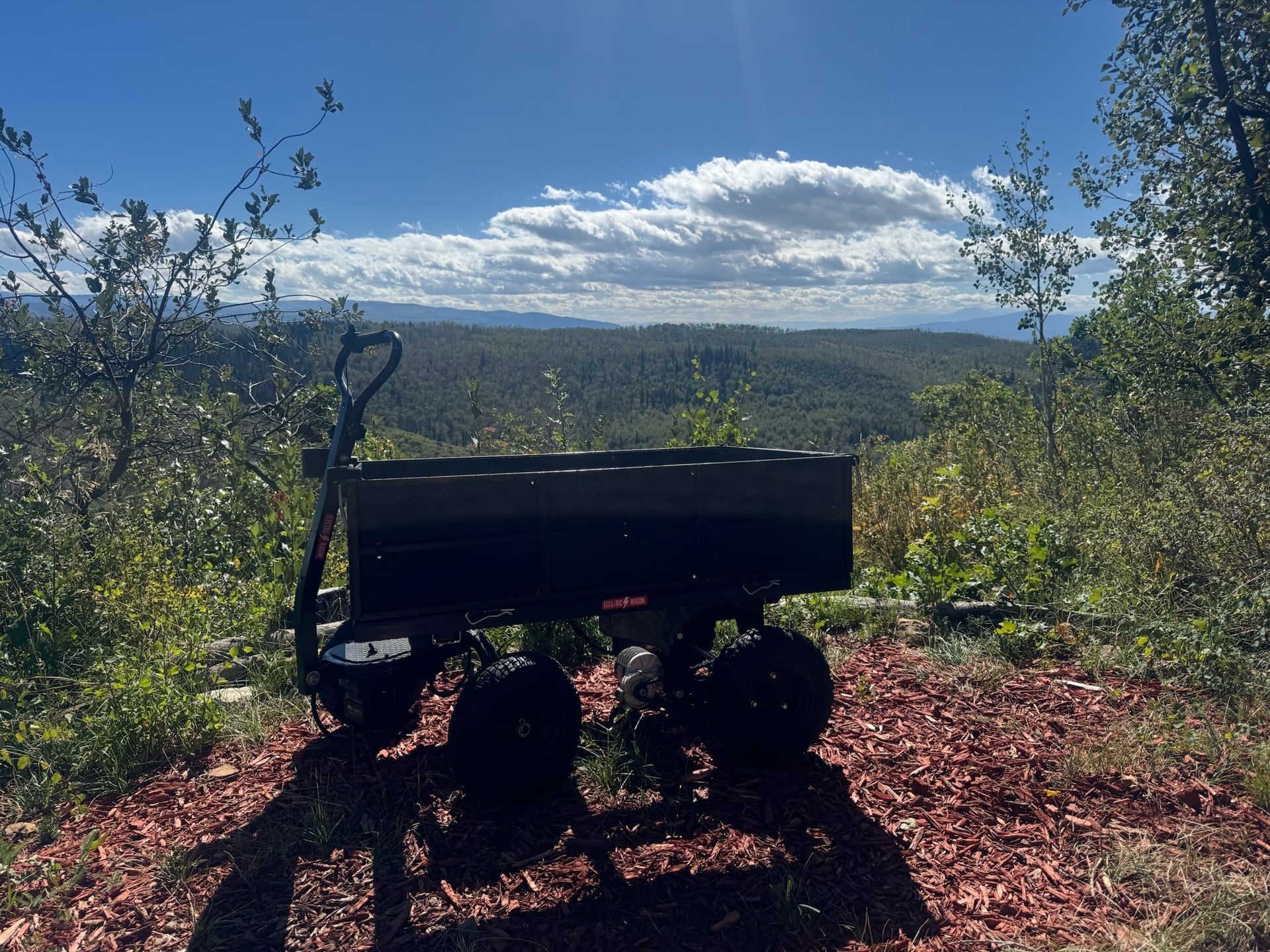
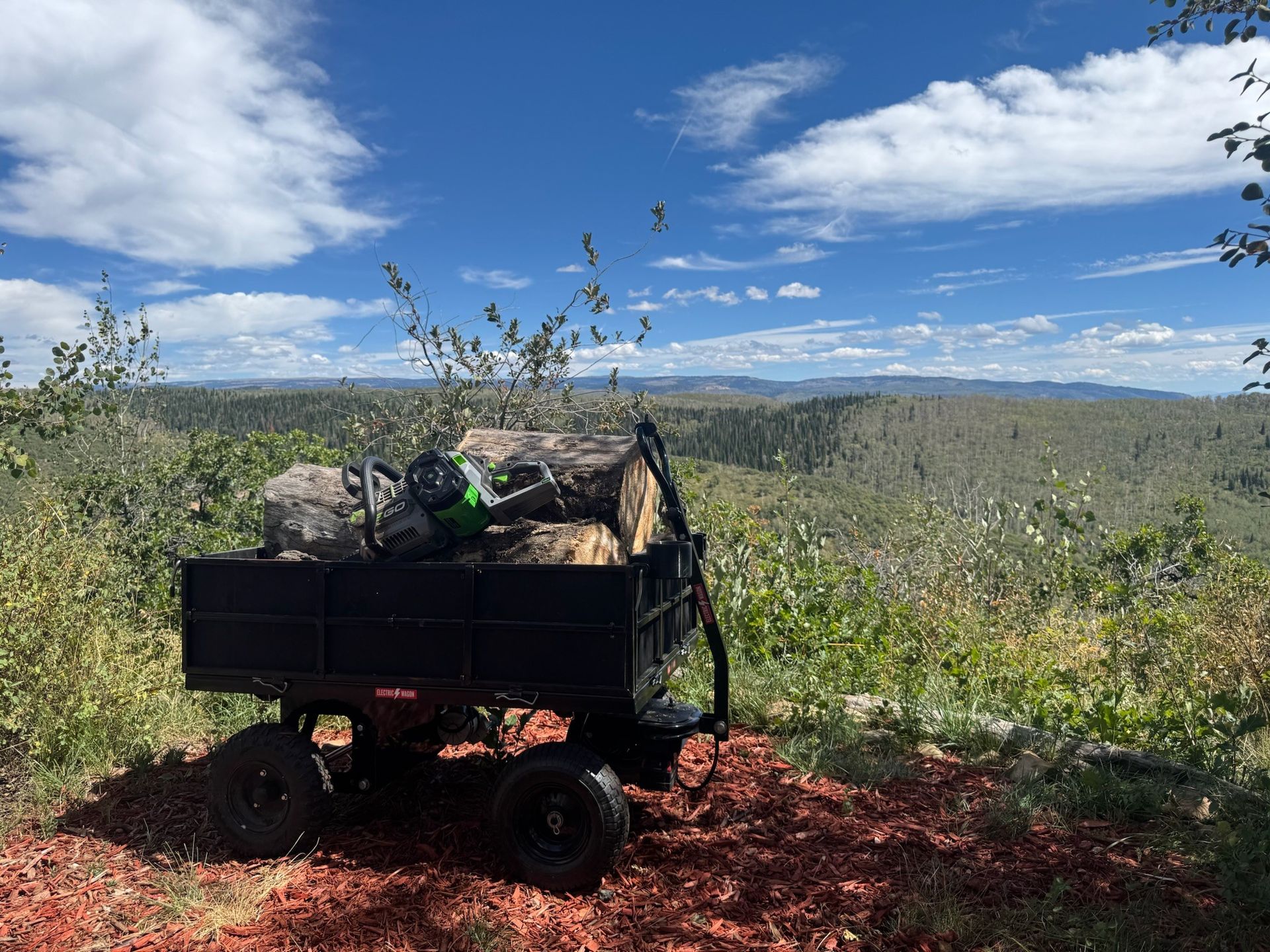
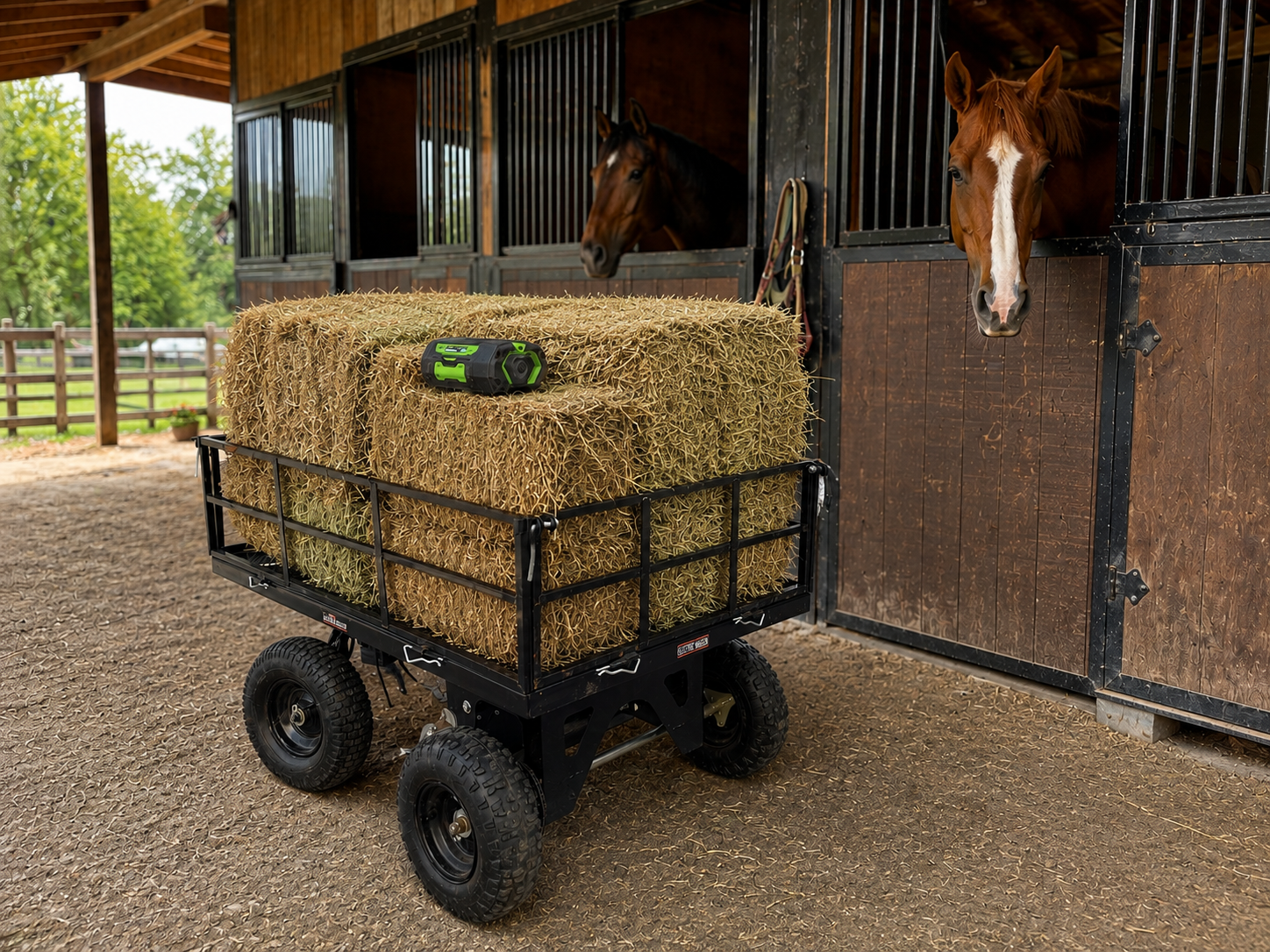
Whether you're moving feed across a small farm, hauling mulch around a large property, transporting tools on a job site, or taking supplies to the beach, the wagon is designed for years of real-world use.
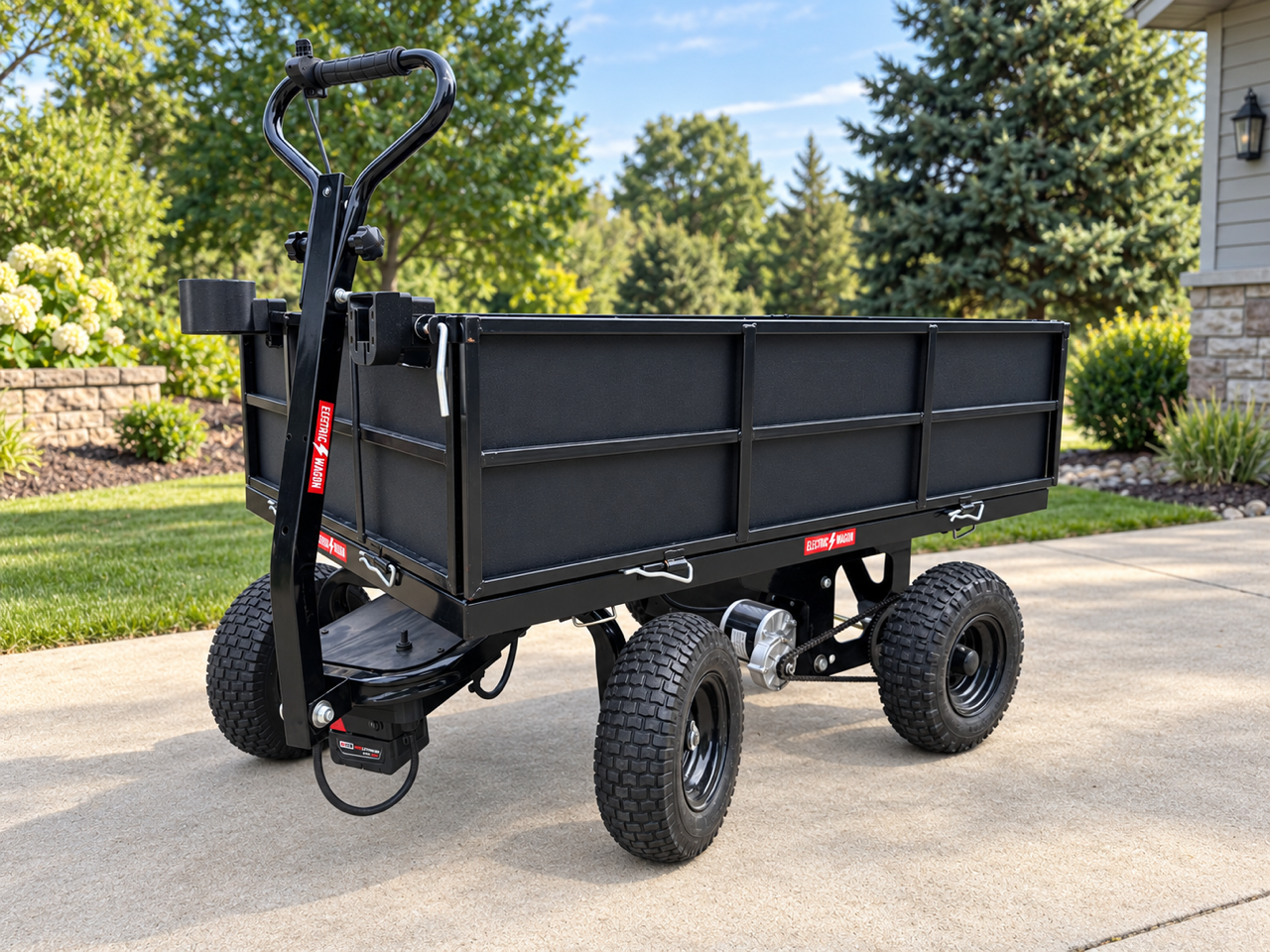
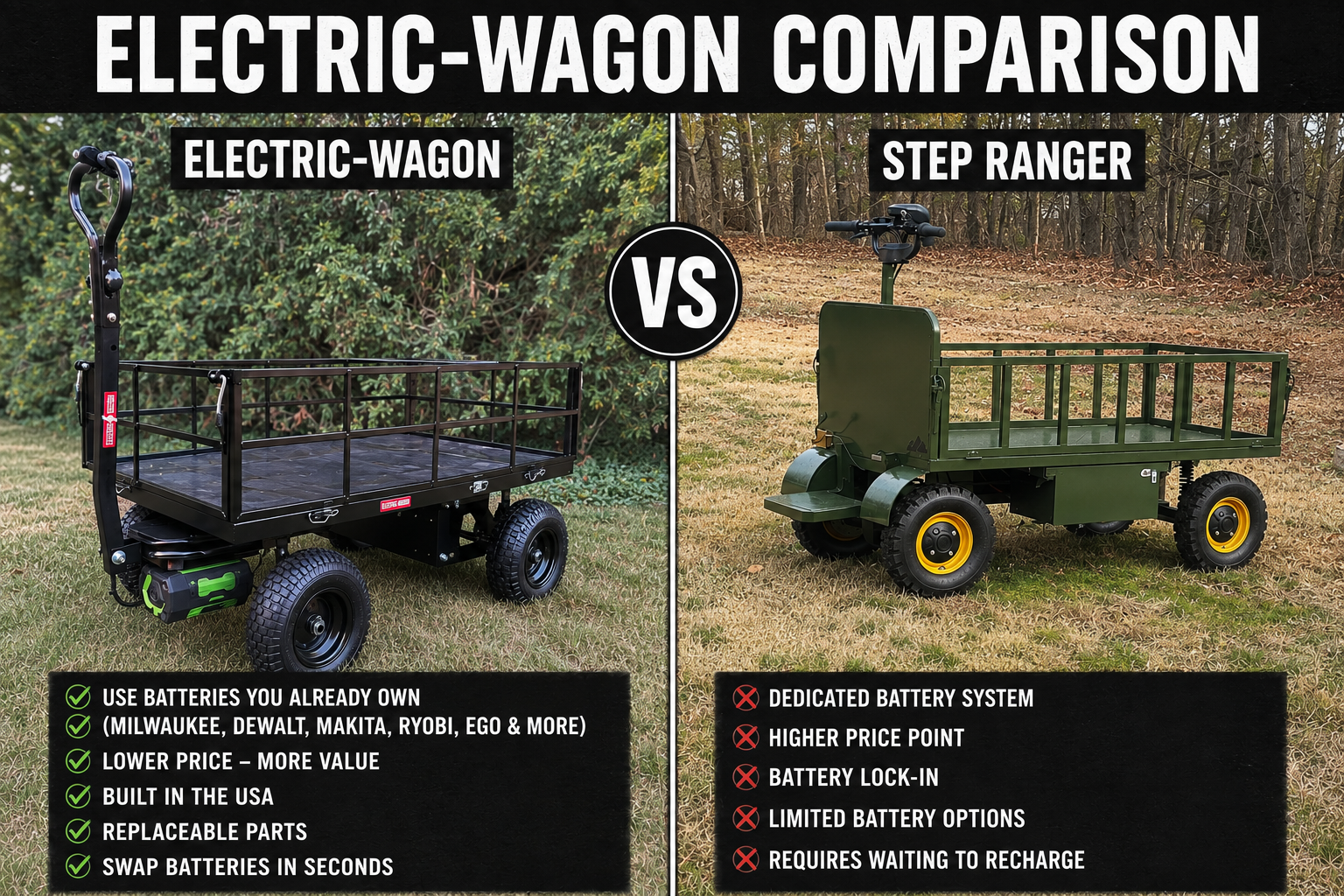
Heavy-duty construction, replaceable wear components, and powered assistance mean the wagon continues working long after many cheaper alternatives have been discarded.
The Value of Powered Hauling
A wheelbarrow helps you carry weight.
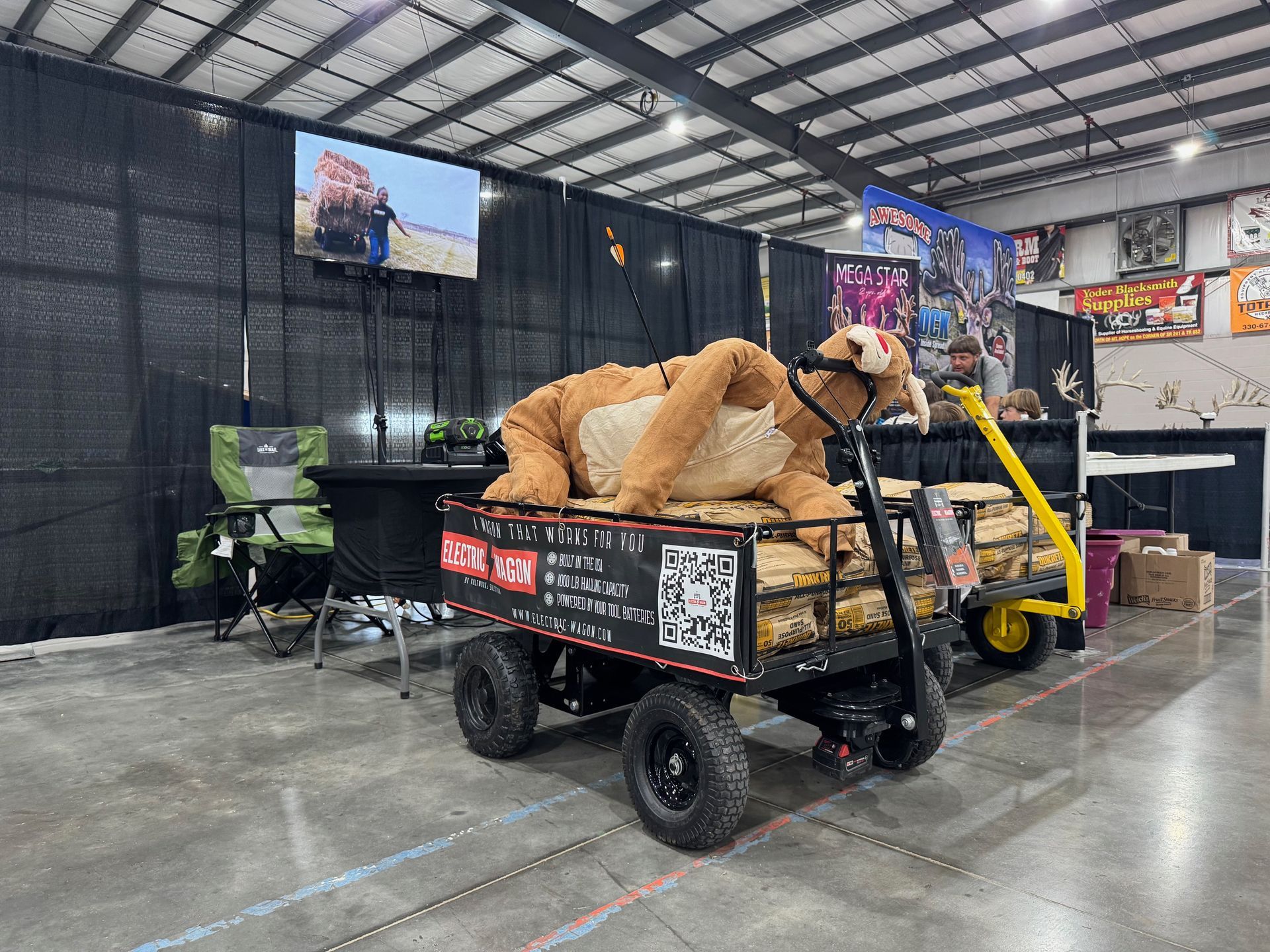
An Electric-Wagon helps you move it.
That's a major difference.
Instead of spending the day pushing, pulling, and fighting heavy loads, the powered drive system does much of the work for you.
You arrive at the destination with more energy and less fatigue.
And when a project requires dozens of trips, that difference becomes impossible to ignore.
Buy Once, Cry Once
There is an old saying among farmers, contractors, and tradespeople:
"Buy once, cry once."
Quality tools often cost more upfront.
But they usually cost less over time because they last longer, work better, and make every job easier.
When evaluating wagons and wheelbarrows, don't just compare the purchase price.
Consider:
- How long it will last
- How much work it can handle
- How much time it saves
- How much effort it eliminates
- Whether you'll still be using it five years from now
Because the cheapest wagon is rarely the least expensive wagon you own.